

Hey there! As a supplier of folding container houses, I often get asked about how to install a cooling system in these awesome structures. Today, I'm gonna walk you through the whole process step by step.
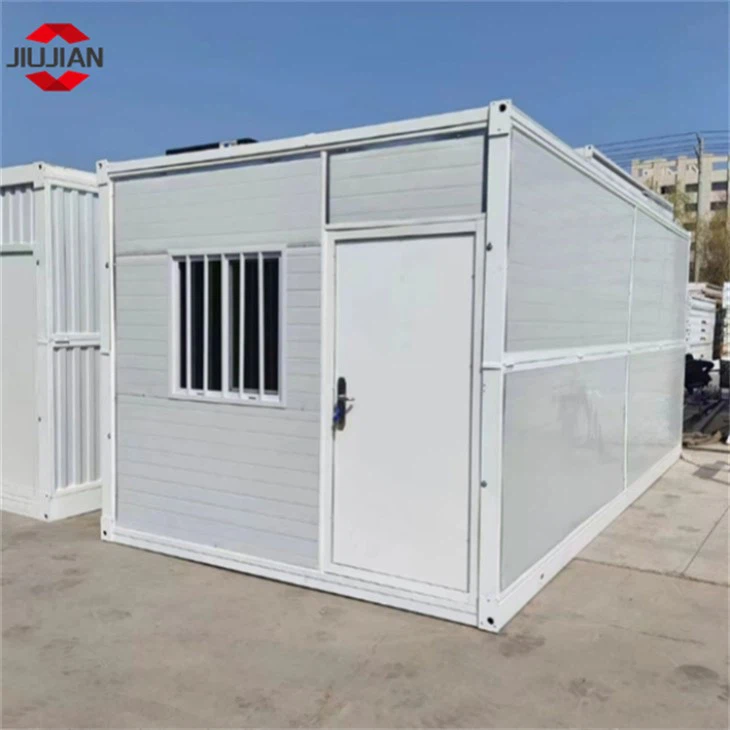
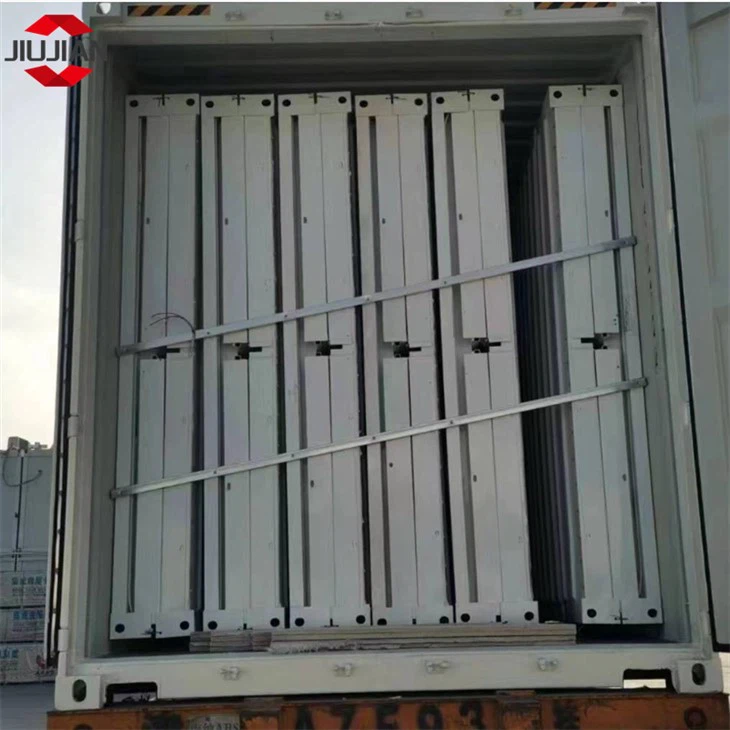
First off, let me give you a bit of background. Folding container houses are super convenient. They're easy to transport and set up, making them a great option for all sorts of uses. Whether you're looking for a Z Type Folding Container House/Home, a Prefabricated Folding Container House, or a Living Folding Container House, they all need a good cooling system, especially in hot climates.
Step 1: Assess Your Needs
Before you start installing a cooling system, you gotta figure out what you need. Think about the size of your folding container house. A bigger house will need a more powerful cooling system. Also, consider how you'll be using the space. If it's a living area, you'll want a system that can keep the temperature comfortable all day long. If it's a storage space, you might not need as much cooling power.
You should also think about the climate in your area. If it's really hot and humid, you'll need a system that can handle both the heat and the moisture. On the other hand, if it's just hot and dry, a simpler cooling system might do the trick.
Step 2: Choose the Right Cooling System
There are a few different types of cooling systems you can choose from.
Window Air Conditioners
These are a popular choice for smaller folding container houses. They're easy to install and relatively inexpensive. You just need to cut a hole in the wall of your container house and mount the unit. Window air conditioners work by taking in hot air from the room, cooling it, and then blowing it back out.
Split Air Conditioners
Split air conditioners are a good option for larger folding container houses. They consist of an indoor unit and an outdoor unit. The indoor unit is mounted on the wall inside the house, and the outdoor unit is placed outside. Split air conditioners are more efficient than window air conditioners and can cool a larger area.
Portable Air Conditioners
Portable air conditioners are another option. They're easy to move around, so you can use them in different parts of your folding container house. However, they're not as powerful as window or split air conditioners and might not be suitable for very large spaces.
Step 3: Prepare Your Folding Container House
Once you've chosen your cooling system, it's time to prepare your folding container house for installation.
Check the Walls
Make sure the walls of your container house are strong enough to support the weight of the cooling system. If you're installing a window air conditioner, you'll need to cut a hole in the wall. Use a saw to carefully cut the hole to the right size. If you're installing a split air conditioner, you'll need to drill holes for the refrigerant lines and the electrical wiring.
Seal the Gaps
Before you install the cooling system, seal any gaps or cracks in the walls and windows of your container house. This will help prevent cool air from escaping and hot air from getting in. You can use weatherstripping or caulk to seal the gaps.
Step 4: Install the Cooling System
Now it's time to install the cooling system.
Window Air Conditioners
If you're installing a window air conditioner, start by placing the unit in the hole you cut in the wall. Make sure it's level and secure. Then, use screws to attach the unit to the wall. Next, connect the electrical wiring and the drainage tube. Finally, turn on the unit and test it to make sure it's working properly.
Split Air Conditioners
Installing a split air conditioner is a bit more complicated. First, mount the indoor unit on the wall inside the house. Use a level to make sure it's straight. Then, drill holes in the wall for the refrigerant lines and the electrical wiring. Connect the indoor unit to the outdoor unit using the refrigerant lines and the electrical wiring. Make sure all the connections are tight. Finally, turn on the unit and test it.
Portable Air Conditioners
To install a portable air conditioner, simply place it in the desired location in your folding container house. Connect the exhaust hose to the window or wall vent. Then, plug the unit into an electrical outlet and turn it on.
Step 5: Maintain Your Cooling System
Once your cooling system is installed, it's important to maintain it properly.
Clean the Filters
Most cooling systems have filters that need to be cleaned regularly. Dirty filters can reduce the efficiency of the system and make it work harder. Check the filters every month and clean them as needed.
Check the Refrigerant Levels
If you have a split air conditioner or a window air conditioner, you'll need to check the refrigerant levels periodically. Low refrigerant levels can cause the system to malfunction. If you're not sure how to check the refrigerant levels, it's best to call a professional.
Inspect the System
Regularly inspect your cooling system for any signs of damage or wear. Look for leaks, loose connections, and other problems. If you notice any issues, have them repaired as soon as possible.
So there you have it! That's how you install a cooling system in a folding container house. If you have any questions or need help choosing the right cooling system for your folding container house, don't hesitate to reach out. We're here to help you make the most of your container house. Whether you're interested in a Z Type Folding Container House/Home, a Prefabricated Folding Container House, or a Living Folding Container House, we can provide you with the best solutions. Contact us today to start the procurement process and discuss your specific needs.
References
- "Cooling Systems for Small Spaces." Home Cooling Magazine.
- "Installation Guide for Air Conditioners." HVAC Professionals Association.