

Expandable Container House
What is Expandable Container House
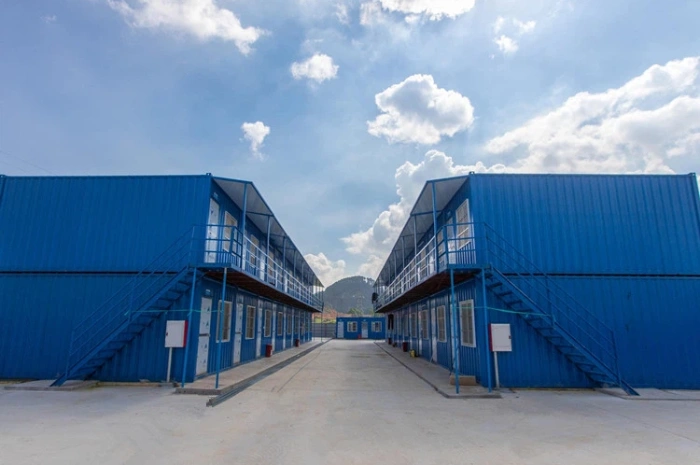
It is a type of modular housing constructed from shipping containers that are designed to expand in size when needed. These prefabricated homes are built using standard shipping containers that can be transported easily and then expanded to create more living space when stationary. This expansion can be vertical, with additional levels, or horizontal, by extending the width of the container.
Benefits of Expandable Container House
Flexibility and Adaptability
One of the main advantages of expandable container homes is their ability to adapt to changing needs. Whether it' s to accommodate a growing family, create additional workspace, or adapt to a new lifestyle, these homes can easily expand or contract as needed. This flexibility makes them a practical choice for homeowners seeking long-term adaptability.
Cost-Effectiveness
Expandable container homes are often more cost-effective compared to traditional construction methods. The use of repurposed shipping containers as the base structure helps reduce material costs. Additionally, the modular design allows for efficient production and faster construction timelines, resulting in potential cost savings.
Sustainability and Eco-Friendliness
By repurposing shipping containers, expandable container homes contribute to sustainability efforts by reducing construction waste and utilizing existing resources. Furthermore, these homes can be designed with eco-friendly features such as energy-efficient insulation, renewable energy systems, rainwater harvesting, and graywater recycling, promoting environmentally conscious living.
Mobility and Portability
Expandable container homes offer the advantage of mobility. Unlike traditional homes, they can be easily transported to different locations, making them suitable for those who enjoy a nomadic lifestyle or individuals in need of temporary housing solutions. This portability also enables disaster relief organizations to quickly provide shelter in emergency situations.
Quick Construction and Assembly
Due to their modular nature, expandable container homes can be constructed and assembled relatively quickly. The pre-fabricated components can be manufactured off-site, minimizing on-site construction time and disruption. This efficiency makes them an attractive option for those seeking faster housing solutions.
-
![Double Wing Expandable Container House]() Double Wing Expandable Container HouseShandong Jiujian is a leading manufacturer of container houses in China. All of our containers are made of high-quality steel, ensuring that your home will stand the test of time. Double-wing...read more
Double Wing Expandable Container HouseShandong Jiujian is a leading manufacturer of container houses in China. All of our containers are made of high-quality steel, ensuring that your home will stand the test of time. Double-wing...read more -
![Folding Expandable Container House]() Folding Expandable Container HouseFolding Expandable Container House features anti‑corrosion steel structure, EPS / rock wool insulation layers and waterproof sealing technology. It offers good thermal insulation and high...read more
Folding Expandable Container HouseFolding Expandable Container House features anti‑corrosion steel structure, EPS / rock wool insulation layers and waterproof sealing technology. It offers good thermal insulation and high...read more -
![20ft Modular Expandable Container House]() 20ft Modular Expandable Container HouseThe Double Wing Expandable Container house is a kind of prefab house, it can be folded when you need it to increase your use space, and folded up when you don't need it to reduce the space it...read more
20ft Modular Expandable Container HouseThe Double Wing Expandable Container house is a kind of prefab house, it can be folded when you need it to increase your use space, and folded up when you don't need it to reduce the space it...read more -
![20/30/40 FT Expandable Container House]() 20/30/40 FT Expandable Container HouseExpandable container house 20FT: L5900*W6300*H2480mm 40'HQ/2 units 30FT:L9000*W6300*H2480mm 40'HQ/1 unit 40FT:L11800*W6300*H2480mm 40'HQ/ 1unit Layout: 1/2/3 Bedrooms, 1 living room, 1...read more
20/30/40 FT Expandable Container HouseExpandable container house 20FT: L5900*W6300*H2480mm 40'HQ/2 units 30FT:L9000*W6300*H2480mm 40'HQ/1 unit 40FT:L11800*W6300*H2480mm 40'HQ/ 1unit Layout: 1/2/3 Bedrooms, 1 living room, 1...read more -
![Folding Container Homes For Sale]() Folding Container Homes For SaleFolding container house is a mobile building that can be quickly built and easily disassembled. It is suitable for a variety of application scenarios, such as house expansion, temporary residence,...read more
Folding Container Homes For SaleFolding container house is a mobile building that can be quickly built and easily disassembled. It is suitable for a variety of application scenarios, such as house expansion, temporary residence,...read more -
![Expandable Folding Container House]() Expandable Folding Container HouseExpandable Folding Container House is an innovative work in the field of modern construction. It is based on solid containers . The unique two-wing expansion design enables it to quickly expand...read more
Expandable Folding Container HouseExpandable Folding Container House is an innovative work in the field of modern construction. It is based on solid containers . The unique two-wing expansion design enables it to quickly expand...read more -
![Mini Portable Casas Armables Mobile 20FT Expandable Camouflage Container Home]() Mini Portable Casas Armables Mobile 20FT Expandable Camou...In the past, people's residential houses were basically made of masonry, wood, reinforced concrete and other materials.With the development of the times, human environmental awareness has...read more
Mini Portable Casas Armables Mobile 20FT Expandable Camou...In the past, people's residential houses were basically made of masonry, wood, reinforced concrete and other materials.With the development of the times, human environmental awareness has...read more -
![Three in One Expandable Container House]() Three in One Expandable Container HouseIn the past, people's residential houses were basically made of masonry, wood, reinforced concrete and other materials.With the development of the times, human environmental awareness has...read more
Three in One Expandable Container HouseIn the past, people's residential houses were basically made of masonry, wood, reinforced concrete and other materials.With the development of the times, human environmental awareness has...read more -
![Prefab Expandable Container House]() Prefab Expandable Container HouseThe prefab Expandable Container House offers a versatile and expandable solution for temporary or permanent housing needs. Its innovative design allows for easy expansion and contraction, making...read more
Prefab Expandable Container HouseThe prefab Expandable Container House offers a versatile and expandable solution for temporary or permanent housing needs. Its innovative design allows for easy expansion and contraction, making...read more -
![Expandable Container House with Solar Energy]() Expandable Container House with Solar EnergyOur solar-powered expandable container houses represent an innovative and eco-friendly housing solution, combining the convenience of containers with the renewable energy of solar power. The...read more
Expandable Container House with Solar EnergyOur solar-powered expandable container houses represent an innovative and eco-friendly housing solution, combining the convenience of containers with the renewable energy of solar power. The...read more -
![40ft Container House with Bathroom and Kitchen]() 40ft Container House with Bathroom and KitchenExplore our innovative 40ft container home, meticulously designed to include a complete bathroom and kitchen setup. Offering both functionality and style, these container homes redefine modern...read more
40ft Container House with Bathroom and KitchenExplore our innovative 40ft container home, meticulously designed to include a complete bathroom and kitchen setup. Offering both functionality and style, these container homes redefine modern...read more -
![20 Feet Folding Expandable Container House Prefab Office For Europe]() 20 Feet Folding Expandable Container House Prefab Office ...Shandong Jiujian is a leading manufacturer of container houses in China. All of our containers are made of high-quality steel, ensuring that your home will stand the test of time. Double-wing...read more
20 Feet Folding Expandable Container House Prefab Office ...Shandong Jiujian is a leading manufacturer of container houses in China. All of our containers are made of high-quality steel, ensuring that your home will stand the test of time. Double-wing...read more


Why Choose Us
Fast Delivery
Strong production capacity, Complete packaging ensures product quality and is shipped to the destination in the first time.
Rich experience
Has a long-standing reputation in the industry, which makes it stand out from its competitors. With over many years of experience, they have developed the skills necessary to meet their clients' needs.
Efficient and convenient
The company has established marketing networks around the world to provide high-quality services to customers in an efficient and convenient manner.
Professional team
We have a team of skilled and experienced professionals who are well-versed in the latest technology and industry standards. Our team is dedicated to ensuring that our customers get the best service and support possible.
Competitive prices
We offer our products at competitive prices, making them affordable for our customers. We believe that high-quality products should not come at a premium, and we strive to make our products accessible to all.
Quality assurance
In terms of quality assurance, the company strictly follows the standards and norms of the industry quality system. Adopt industry-leading testing equipment to ensure product quality and good reputation.
Applications of Expandable Container Houses
Emergency Housing
Expandable container houses are ideal for providing quick and efficient housing solutions in disaster-stricken areas or for refugees. Their portability and ease of setup make them valuable in emergencies.
Remote Work and Tourism
These houses can be used in remote locations for ecotourism, glamping, or as remote workstations. Their mobility allows businesses to set up temporary accommodations in picturesque or remote areas.
Residential Use
Expandable container houses are increasingly being used as primary residences. They are suitable for individuals or families looking for affordable and flexible housing solutions.
Commercial Spaces
Some entrepreneurs use expandable container houses as mobile shops, cafes, or offices. The ability to customize the interior makes them versatile for various commercial purposes.
Are Expandable Container Houses Worth It for You
Lifestyle Preferences
I you value compact, mininalist living and priortize sustainabilty, an expandable container thouse may align with your lifestyle preferences.
Consider whether you can adapt to the limited living space and are comfortable with a mirnimalist lfestyle.
Budget
11 you are loking for a cs-ffectie housing solution and are wling to invest in eco-riendly features, container thomes can be an atrtrtive option. Calculate the total cost, including land, utities, and customization, to determine if it fits your budget.
Location and Regulations
Researdh local 2oning laws and building codes to ensure that you can legally build and live in a container house in your chosen location.
Consider the availability of utilies and infrastucture in your desired area.
Design and Aesthetics
Assess whether you are commfortable with the industrial appearance of shipping containers or ir you are willing to invest in exterior modifications for a more customized look.
Evaluate whether you can achiewe the interior design and layout you desire within the constraints of the container's size.
Maintenance and Commitment
Be prepared for regular maintenance to prevent rust and orrosin, particularly if you live in 8 thumid or coastal area.
Consider your long-term commitment to the property, as container homes may not appreciate in value as much as traditional hames.
Purpose and Usage
Think about the purpose of the container house. Are you loking for 8 permanent residence, a vacation thome, or temporary housing?· Consider your future plans, induding the potential need for a larger dwelling as your farmily grows.
Features of Expandable Container Moveable House
Customizable Structure, Size And Appearance
Expandable container homes offer a wide range of customization options including structure, size, and exterior design. This means that whether it's a 20-foot space or a 40-foot or larger space, a container home can be designed to fit your specific needs. This ensures that every space is suited to your lifestyle.
Strong And Durable Materials
Expandable container moveable house made of galvanized steel structure and sandwich panel materials. They are not only durable, but also have excellent resistance to earthquakes and deformation. This lets them handle harsh weather easily. It gives you a safe and comfy home.

Flexibility And Multifunctional Design
Expandable container moveable houses offer a high degree of flexibility. This feature allows it to be configured with different facilities. These are for different living needs, such as bedrooms, kitchens and bathrooms. Thanks to their bespoke and individual design. The houses suit the needs of different users, whether as a permanent house or temporary accommodation.
Cost-Effective And Quick Installation
Compared with traditional construction methods, factory-prefabricated expandable container houses shorten the construction period. They achieve cost-effectiveness while ensuring quality. The quick installation process is efficient. Five people can install 6 units per day ( 106 square meters). It reduces labor costs and is affordable for homeowners.
The first step in building an expandable container home is to find an appropriately sized shipping container. Once you' ve found the right model, it will need to be cleaned and inspected. Depending on where you live, you may also need to get it re-registered as a building and have it inspected again. After that, you' ll need to choose an appropriate location for the container. You' ll also need to decide which parts of the container you want to keep and which parts you want to replace. Once you' ve made these decisions, you can start building your home. To create a larger structure, you' ll add one or more of the following: Roof extensions, a wall extension, and/or side extensions. The type of structure you want will depend on your site plan, your property and your needs. It' s also important to remember that building an expandable container home will take some time. Depending on how big and ambitious you' re being, it could take anywhere from a few months to a year or more to complete.
Ways To Extend The Lifespan Of A Container Home
Proper Insulation
A well-insulated container home is the soul that regulates the inside temperature, protects the house from harsh weather fluctuations, and saves you a lot of money. The light on the environmental condition plays an important function in reducing house demolition and extending their life.
Foundation
Proper foundation placement and bonding enhance the longevity and strength of home containers. A house built with high-quality materials will withstand the shocks of storms or hurricanes with powerful winds.
Regular Inspections
Periodic inspections should identify and address any rust spots, leaks, or structural issues.
Upkeep Of Plumbing And Electrical Systems
It is recommended that plumbing and electrical systems be inspected regularly. Maintenance professionals should be able to identify the source of a problem and how to resolve it before it escalates.
Remove Rust
To prevent further rust, stop leaks as soon as they occur. Rust not only looks bad, but it also compromises the surface's integrity and increases the risk of water leakage. It frequently results in damaged and leaking walls, which cause problems when you're building your home.
New Roof
The original roof of a shipping container was flat without anything to allow excess water to drain away. The adjoining rust creates groups when it rains and snows because of their consistency. In building the container home, the old roof should be installed over the new one. A roof with a slope is great because it can efficiently drain the water. On the other hand, if you prefer the part of the flat roof, you may not worry. The solution lies in adding one layer of roof and a flat drain fixed to prevent the water collection process.
How to Build a Expandable Container House
Design and Planning
Determine the purpose of your expandable container house (e.g., residential, office, or commercial).
Create a detailed design that includes the layout, dimensions, and features you want.
Consider whether you want a single expandable unit or multiple containers that can be joined together.
Container Modification
Cut openings for doors, windows, and any interior passageways.
Reinforce the container structure, particularly at the points where containers will expand or connect.
Weld structural elements, such as beams and columns, to support expandable sections.
Insulation and Interior Work
Insulate the container to regulate temperature and reduce energy consumption.
Frame interior walls, install plumbing, electrical wiring, and HVAC systems as needed.
Choose suitable materials for finishing the interior, such as drywall, flooring, and cabinetry.
Obtain Permits and Approvals
Check with your local authorities to obtain the necessary permits and approvals for building a container house. Regulations may vary based on your location.
Acquire Shipping Containers
Purchase the required shipping containers. Ensure they are in good condition, free from rust or structural damage. You can buy new or used containers.
Site Preparation
Prepare the building site, ensuring it's level and adequately compacted.
Create a foundation or a concrete slab to support the containers. The foundation design will depend on the specific requirements of your project.
Expandable Mechanism
Install the expandable mechanism, which can be hydraulic, mechanical, or manual, depending on your design.
Ensure that the expansion system is secure and functions correctly.
Exterior Cladding and Roofing
Apply an exterior cladding material to protect the container from the elements and improve aesthetics.
Install a roof to prevent water infiltration.
Utilities and Services
Connect utilities, including water, electricity, and gas lines.
Ensure that sewage and drainage systems are correctly installed.
Interior Finishes
Paint or finish the interior surfaces.
Install doors, windows, and any other fixtures.
Make sure all interior systems are functioning correctly.
Exterior Landscaping and Finishing
Landscape the area around the container house.
Apply the final exterior finishes or paint.
Inspection and Quality Assurance:
Conduct a thorough inspection to ensure the container house is structurally sound and compliant with local building codes.
Safety and Security Features
Install safety and security features like fire alarms, security systems, and smoke detectors.
Final Inspection and Approval
Arrange for a final inspection by local authorities to obtain the necessary approvals and certificates of occupancy.
Move-In and Enjoy
Once you receive the necessary approvals and ensure the container house is safe and comfortable, you can move in and enjoy your expandable container home.
How sturdy are Expandable Container Houses
Expandable container houses have gained popularity as an innovative and sustainable solution to housing needs worldwide. These portable structures, derived from standard shipping containers, offer flexibility, cost-effectiveness, and ease of transportation. As the demand for expandable container houses continues to rise, one crucial question remains: How sturdy are they?
The sturdiness of expandable container houses is a vital aspect to consider, especially when assessing their suitability for various environments and climates. The primary material used in constructing these houses is corten steel, a highly durable and corrosion-resistant steel designed to withstand harsh conditions during shipping and storage. This makes expandable container houses inherently robust, capable of handling the rigors of transportation across long distances.
Once in place, expandable container houses require proper foundation support to ensure their stability and durability. The foundation can vary depending on the location and intended use of the house. For instance, a concrete slab foundation provides a stable base for a permanent installation, while adjustable steel frames are used for temporary setups, allowing easy relocation if needed. Properly anchored to a solid foundation, these structures can endure various weather conditions, including high winds and heavy snow loads, making them suitable for a range of climates.
The expansion mechanism of these container houses relies on hydraulic or manual systems, which should be engineered for smooth and secure operation. High-quality expansion mechanisms, when maintained and operated correctly, ensure that the extended sections fit snugly into place, providing additional stability to the overall structure. Regular inspections and maintenance are essential to preserving the integrity of the expansion system and mitigating any potential issues.
The sturdiness of an expandable container house can be enhanced through customization and reinforcements. For example, homeowners can choose to add steel bracings, insulation, or roof reinforcements to adapt the house for specific environmental challenges or increased load-bearing capacity.
It is essential to consider the quality and condition of the shipping container used as the base for the expandable house. While corten steel provides excellent durability, older containers might show signs of wear and tear, which could affect their structural integrity. Reputable suppliers and manufacturers of expandable container houses thoroughly inspect and refurbish the used containers to ensure they meet safety standards and offer a sturdy foundation for the house.
Located in Weifang City, Shandong Province, Shandong Jiujian Integrated Housing Co., Ltd. is specialized in Development, Designing, Manufacturing, Marketing and Construction of prefabricated house.
The main products include Prefabricated Buildings, Container Houses, Expandable Modular House, Apple cabins, Light steel villas, Steel structure Workshops, etc.

FAQ
We're professional expandable container house manufacturers and suppliers in China, specialized in providing high quality customized service. We warmly welcome you to wholesale expandable container house at competitive price from our factory.
mexican container house style, functional container house layouts, safe container house construction