

When it comes to constructing a light steel hotel, choosing the right foundation is crucial. As a light steel hotel supplier, I've witnessed firsthand how the foundation can make or break the success of a project. In this blog, I'll share insights on what kind of foundation is suitable for a light steel hotel.
Understanding the Characteristics of Light Steel Hotels
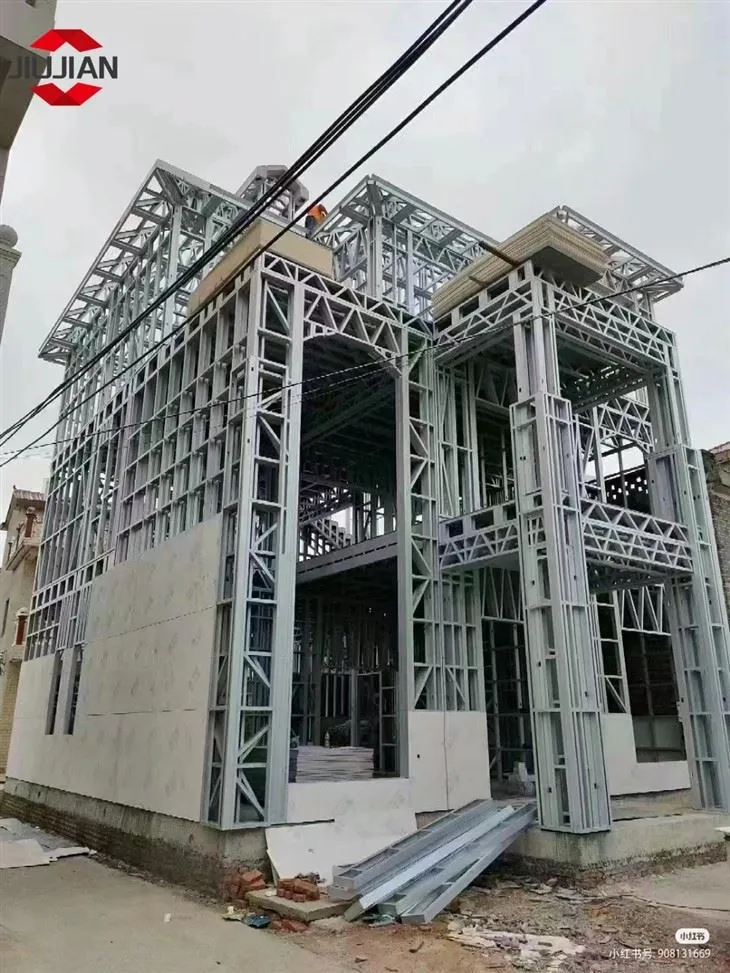
Before delving into foundation types, it's essential to understand the unique features of light steel hotels. Light steel structures are known for their lightweight, high strength, and flexibility. They are pre - fabricated off - site, which significantly reduces construction time. These structures impose relatively low loads on the foundation compared to traditional concrete or brick buildings. However, they also require a stable base to ensure long - term durability and safety.
Types of Foundations for Light Steel Hotels
Strip Foundations
Strip foundations are a popular choice for light steel hotels. They consist of a continuous strip of concrete that runs along the load - bearing walls of the building. This type of foundation distributes the weight of the structure evenly over the soil.
-
Advantages:
- Cost - effective: Strip foundations are relatively inexpensive to construct, especially for smaller light steel hotels. The materials required, mainly concrete and steel reinforcement, are readily available.
- Suitability for different soil types: They can be used on a variety of soil conditions, including clay, sand, and loam. By adjusting the width and depth of the strip, the foundation can be designed to handle different soil bearing capacities.
- Ease of construction: The construction process is straightforward. The excavation is relatively shallow, and the formwork for the concrete can be quickly assembled.
-
Disadvantages:
- Limited for large - scale projects: For larger light steel hotels with complex layouts or heavy loads, strip foundations may not provide sufficient support. In such cases, a more robust foundation system may be required.
- Susceptible to soil movement: In areas with expansive soils or high water tables, strip foundations may be at risk of cracking or shifting due to soil heave or settlement.
Raft Foundations
Raft foundations, also known as mat foundations, are a single, large slab of concrete that covers the entire footprint of the building. This type of foundation spreads the load of the structure over a large area, reducing the pressure on the underlying soil.
-
Advantages:
- High load - bearing capacity: Raft foundations are ideal for light steel hotels with heavy loads or in areas with poor soil conditions. They can distribute the weight of the building evenly, preventing differential settlement.
- Stability on soft soils: In areas where the soil has low bearing capacity, such as marshy or peat - rich ground, raft foundations provide a stable base. The large contact area with the soil helps to minimize settlement.
- Resistance to soil movement: Raft foundations are more resistant to soil heave and settlement compared to strip foundations. They can better accommodate minor soil movements without causing significant damage to the structure.
-
Disadvantages:
- Higher cost: The construction of raft foundations requires more concrete and reinforcement, which increases the overall cost. The excavation process is also more extensive, adding to the labor and material costs.
- Longer construction time: The large - scale nature of raft foundations means that the construction process is more time - consuming. The formwork for the slab is more complex, and the concrete pouring and curing process takes longer.
Pile Foundations
Pile foundations are used when the soil near the surface has poor bearing capacity, and the load needs to be transferred to deeper, more stable soil layers. Piles are long, slender columns made of concrete, steel, or timber that are driven or drilled into the ground.
-
Advantages:
- Suitability for poor soil conditions: Pile foundations are the go - to option for light steel hotels built on soft, compressible soils, such as silt or clay. They can transfer the load of the building to the bedrock or a more competent soil layer below.
- High load - transfer capacity: Piles can support heavy loads, making them suitable for large - scale light steel hotels or those with multiple stories.
- Minimal settlement: By reaching deeper, more stable soil layers, pile foundations minimize the risk of settlement, ensuring the long - term stability of the structure.
-
Disadvantages:
- Complex installation: The installation of pile foundations requires specialized equipment and skilled labor. The process of driving or drilling piles can be noisy and may cause vibrations, which can be a concern in urban areas.
- Higher cost: Pile foundations are generally more expensive than strip or raft foundations due to the cost of the piles themselves, the equipment required for installation, and the additional engineering design.
Factors to Consider When Choosing a Foundation
- Soil Conditions: Conducting a thorough soil investigation is essential before choosing a foundation for a light steel hotel. The soil's bearing capacity, compressibility, and moisture content will determine the most suitable foundation type. For example, in areas with high water tables, a foundation that can resist water penetration and soil movement, such as a raft or pile foundation, may be necessary.
- Hotel Size and Layout: The size and layout of the light steel hotel play a significant role in foundation selection. Smaller hotels with simple layouts may be well - suited for strip foundations, while larger, more complex hotels may require raft or pile foundations.
- Budget: The budget available for the project will also influence the foundation choice. Strip foundations are the most cost - effective option, followed by raft foundations, and pile foundations are the most expensive. It's important to balance the cost with the long - term performance and durability of the foundation.
- Local Building Codes and Regulations: Local building codes and regulations must be adhered to when designing and constructing the foundation. These codes may specify the minimum requirements for foundation depth, reinforcement, and soil bearing capacity. Failure to comply with the codes can result in costly delays or even legal issues.
Our Offerings
As a light steel hotel supplier, we have extensive experience in providing solutions for different foundation types. We offer Light Steel Hotel with high - quality light steel structures that can be paired with the most suitable foundation for your project. In addition, we also supply Steel Structure Villa and Galvanised Steel K - type Prefabricated House, which also require proper foundation planning.
If you are considering building a light steel hotel, we are here to assist you in every step of the process. Our team of experts can conduct a soil analysis, design the appropriate foundation, and ensure a smooth construction process. We invite you to contact us to discuss your project requirements and start a procurement negotiation. We are committed to providing you with the best solutions for your light steel hotel project.

References
- Building Construction Handbook, McGraw - Hill Education
- Foundation Design: Principles and Practices, Pearson Education
- Light Steel Framing Manual, American Iron and Steel Institute