

Hey there! I'm a supplier of modern container houses, and I know firsthand how important it is to keep these unique homes pest - free. Pests can not only damage the structure of your container house but also pose health risks to you and your family. So, let's dive into some practical ways to protect your modern container house from pests.
1. Seal Up Those Gaps
One of the first steps in pest prevention is to make sure your container house is well - sealed. Pests like rodents, insects, and spiders can enter through even the tiniest cracks and holes. Walk around the exterior of your container house and look for any gaps around windows, doors, pipes, and vents. You can use caulk to seal small cracks, and for larger holes, you might need to use expanding foam or metal mesh.
Sealing up these gaps not only keeps pests out but also helps with energy efficiency. It prevents drafts from coming in, which can save you money on heating and cooling costs. So, it's a win - win situation!
2. Keep It Clean
A clean container house is less attractive to pests. Make sure to clean up food crumbs and spills right away. Store food in sealed containers, and don't leave dirty dishes in the sink overnight. Regularly vacuum and mop the floors to get rid of any debris that might attract pests.

In the kitchen, pay special attention to areas around the stove, refrigerator, and pantry. These places tend to accumulate food particles and grease, which are like magnets for pests. Wipe down these surfaces regularly with a mild cleaning solution.
In the bathroom, keep it dry and well - ventilated. Mold and mildew can grow in damp areas, attracting pests like silverfish and cockroaches. Use a fan or open a window when you shower to reduce humidity.
3. Manage Your Waste
Proper waste management is crucial for pest prevention. Make sure you have a good garbage can with a tight - fitting lid. Take the trash out regularly, especially if it contains food waste. If possible, store your garbage cans away from the container house to minimize the chances of pests being attracted to your home.
Composting is a great way to reduce waste, but it can also attract pests if not done correctly. If you have a compost bin, make sure it's located a safe distance from your container house and is properly sealed. Avoid adding meat, dairy, and oily foods to the compost, as these can attract rodents and flies.
4. Trim the Surroundings
The area around your container house can also play a big role in pest prevention. Trim any overgrown bushes, trees, and grass. Pests like to hide in these areas and can easily make their way into your home. Keep the grass short and remove any fallen leaves or branches regularly.
If you have a garden near your container house, be careful with the plants you choose. Some plants can attract pests, while others can repel them. For example, marigolds are known to repel nematodes, and lavender can keep mosquitoes away.
5. Use Natural Repellents
There are many natural repellents that you can use to keep pests away from your container house. For example, essential oils like peppermint, eucalyptus, and citronella are great for repelling insects. You can mix a few drops of these oils with water in a spray bottle and spray it around windows, doors, and other entry points.
Garlic and onion are also effective natural repellents. You can make a garlic or onion spray by blending them with water and straining the mixture. Spray it around the perimeter of your container house to keep pests at bay.
6. Install Screens
Installing screens on windows and doors is a simple yet effective way to keep pests out. Screens act as a physical barrier, preventing insects and other small pests from entering your home. Make sure the screens are in good condition and don't have any holes or tears.
You can also consider installing a screen door on the entrance to your container house. This allows you to keep the door open for ventilation without worrying about pests getting in.
7. Professional Pest Control
Sometimes, despite your best efforts, pests can still find their way into your container house. In such cases, it might be a good idea to call in a professional pest control service. They have the expertise and tools to identify the type of pests you're dealing with and use the appropriate methods to get rid of them.
When choosing a pest control service, make sure they use environmentally friendly and safe products. You don't want to expose yourself and your family to harmful chemicals.
8. Regular Inspections
Regularly inspect your container house for signs of pests. Look for droppings, chewed wires, or damage to the walls and furniture. Catching a pest problem early can prevent it from becoming a major infestation.
If you notice any signs of pests, take action immediately. You can try some of the DIY methods mentioned above, or if the problem persists, call a professional.
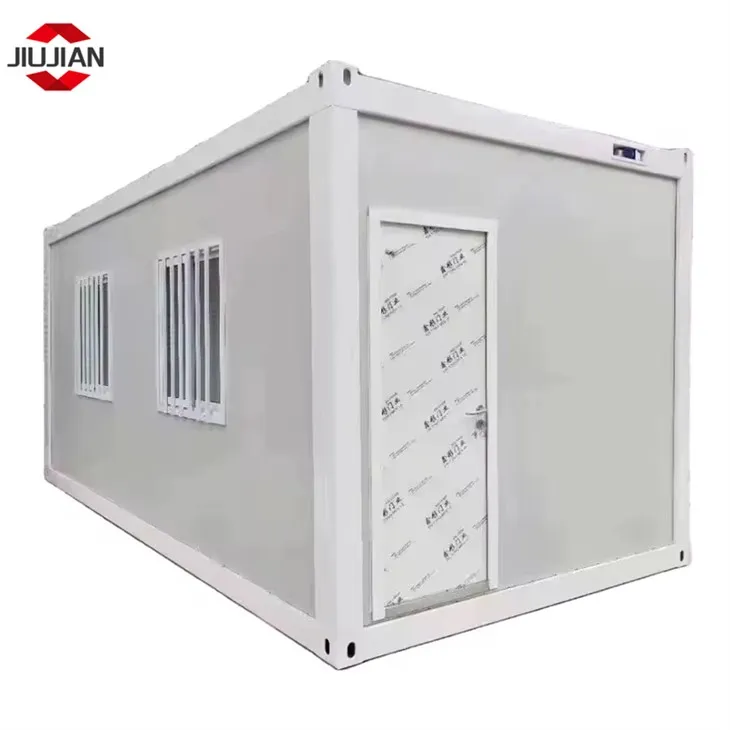
As a modern container house supplier, I understand that you want your container house to be a comfortable and pest - free home. That's why I offer Modern Container House with Furniture, which are built with high - quality materials and designed to be as pest - resistant as possible.
If you're interested in purchasing a modern container house or have any questions about pest prevention, feel free to reach out. We're here to help you make your container house a great place to live.
References
- "Pest Control for the Homeowner" by the University of California Agriculture and Natural Resources
- "The Organic Gardener's Handbook of Natural Pest and Disease Control" by Barbara W. Ellis