

Hey there! As a supplier of prefab container houses, I often get asked about how these nifty structures hold up against different environmental factors. One question that pops up quite a bit is whether prefab container houses are affected by humidity. Well, let's dive right into it and explore this topic in detail.
First off, let's understand what humidity is. Humidity refers to the amount of water vapor present in the air. High humidity means there's a lot of moisture floating around, while low humidity indicates less moisture. Now, humidity can have various impacts on different materials, and prefab container houses are no exception.
The materials used in prefab container houses play a crucial role in determining their resistance to humidity. Most prefab container houses are made of steel, which is a durable and strong material. However, steel is susceptible to rusting when exposed to moisture for extended periods. When the humidity levels are high, the water vapor in the air can condense on the steel surfaces of the container house. This condensed water can then react with the iron in the steel, leading to the formation of rust. Rust not only looks unsightly but can also weaken the structural integrity of the container house over time.
To combat this issue, many prefab container house manufacturers, including us, take several preventive measures. One common method is to apply a protective coating to the steel surfaces. This coating acts as a barrier between the steel and the moisture in the air, preventing rust from forming. The type of coating used can vary, but epoxy and polyurethane coatings are popular choices due to their excellent resistance to moisture and corrosion.
Another important aspect to consider is the insulation used in prefab container houses. Insulation not only helps to regulate the temperature inside the house but also plays a role in preventing humidity-related problems. Good insulation can reduce the likelihood of condensation forming on the interior walls of the container house. When the temperature inside the house is significantly different from the outside temperature, and there's high humidity, condensation can occur. This can lead to dampness, mold growth, and other issues. By using high-quality insulation materials, we can minimize the temperature difference between the inside and outside of the house, thus reducing the risk of condensation.
Now, let's talk about the different types of prefab container houses we offer and how they handle humidity.
Our Prefab Folding Container House is a popular choice for many customers. These houses are designed to be easily transportable and assembled, making them ideal for various applications. When it comes to humidity, the folding container houses are built with the same attention to detail as our other models. The steel frames are coated with a protective layer, and the insulation is carefully installed to ensure maximum protection against moisture. Additionally, the design of the folding container house allows for proper ventilation, which helps to reduce humidity levels inside the house.
Our Prefab Container House with Bathroom is another great option. Bathrooms are areas where humidity levels can be particularly high due to the use of water. To address this, we use moisture-resistant materials in the construction of the bathroom area. The walls and floors are lined with waterproof materials, and proper ventilation is installed to remove excess moisture from the air. This helps to prevent mold and mildew growth, which can be a common problem in bathrooms with high humidity.
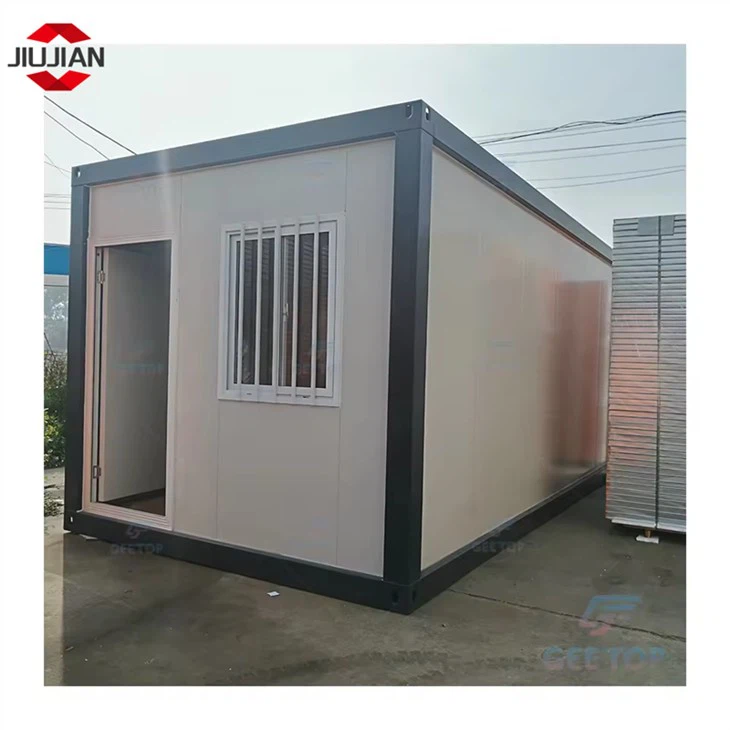

Our 20ft Prefab Container House is a versatile and practical choice for many customers. These houses are available in various configurations and can be customized to meet specific needs. Like our other models, the 20ft prefab container houses are built to withstand different environmental conditions, including high humidity. The steel structure is protected by a corrosion-resistant coating, and the insulation helps to maintain a comfortable and dry interior environment.
In addition to the preventive measures taken during the manufacturing process, proper maintenance is also essential to ensure that prefab container houses remain in good condition in humid environments. Regular inspections should be carried out to check for any signs of rust, mold, or other humidity-related issues. If any problems are detected, they should be addressed promptly to prevent further damage.
One simple maintenance task is to keep the interior of the container house well-ventilated. This can be achieved by opening windows and doors regularly, especially during periods of high humidity. Using exhaust fans in areas such as the kitchen and bathroom can also help to remove excess moisture from the air.
Another important aspect of maintenance is to keep the exterior of the container house clean. Dirt, debris, and other contaminants can trap moisture against the steel surfaces, increasing the risk of rust. Regularly washing the exterior of the house with a mild detergent and water can help to prevent this.
So, to answer the question, yes, prefab container houses can be affected by humidity. However, with the right preventive measures and proper maintenance, these issues can be minimized. At our company, we are committed to providing high-quality prefab container houses that are designed to withstand various environmental conditions, including high humidity.
If you're interested in purchasing a prefab container house, whether it's for residential, commercial, or other purposes, we'd love to hear from you. Our team of experts can help you choose the right type of container house for your needs and provide you with all the information you need to make an informed decision. Contact us today to start the conversation and let's work together to find the perfect prefab container house for you.
References
- ASTM International. (2021). Standard Guide for Steel Structures Exposed to the Marine Environment. ASTM A1058/A1058M-18.
- Building Research Establishment. (2019). Moisture in Buildings: A Guide to Diagnosis and Treatment. BRE Digest 434.
- International Code Council. (2021). International Residential Code. ICC A117.1-2017.