

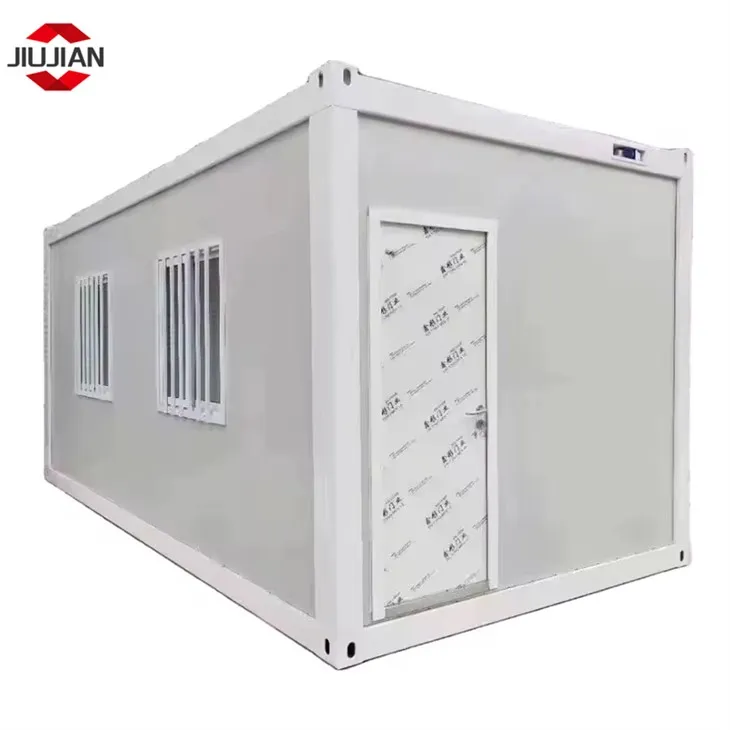
Rainwater harvesting is an eco-friendly and cost-effective way to conserve water, especially in modern living spaces like container houses. As a supplier of Modern Container House with Furniture, I understand the importance of integrating sustainable solutions into these innovative homes. In this blog, I'll guide you through the process of installing a rainwater harvesting system on a modern container house.
Understanding the Basics of Rainwater Harvesting
Before diving into the installation process, it's crucial to understand the fundamentals of rainwater harvesting. Rainwater harvesting involves collecting and storing rainwater for later use. This water can be used for various non-potable purposes such as watering plants, flushing toilets, and washing clothes.
The main components of a rainwater harvesting system typically include a catchment area (usually the roof), gutters and downspouts to collect and direct the water, a storage tank, and a filtration system to remove debris and contaminants.
Assessing Your Container House for Rainwater Harvesting
The first step in installing a rainwater harvesting system is to assess your container house. Consider the following factors:

- Roof Area: The larger the roof area, the more rainwater you can collect. Measure the surface area of your container house's roof to estimate the potential water collection.
- Roof Material: Different roof materials can affect the quality of the collected rainwater. For example, metal roofs are generally considered a good option as they are less likely to leach contaminants compared to some other materials.
- Location: The location of your container house plays a role in the amount of rainfall it receives. Research the average annual rainfall in your area to determine the viability of a rainwater harvesting system.
Selecting the Right Components
Once you've assessed your container house, it's time to select the appropriate components for your rainwater harvesting system.
- Gutters and Downspouts: Choose gutters and downspouts that are the right size for your roof area. They should be able to handle the volume of water during heavy rainfall. Seamless gutters are a popular choice as they reduce the risk of leaks.
- Storage Tank: Select a storage tank based on your water usage needs and available space. Tanks can range in size from small barrels to large underground cisterns. Consider the material of the tank, such as plastic, fiberglass, or concrete, and ensure it is UV-resistant and food-grade if you plan to use the water for non-potable household purposes.
- Filtration System: A good filtration system is essential to remove debris, leaves, and other contaminants from the rainwater. You can use a first-flush diverter to discard the initial flow of water, which may contain the most pollutants, and a mesh filter to catch larger particles.
Installation Process
Step 1: Install Gutters and Downspouts
- Start by measuring and marking the location for the gutters along the edges of the roof. Use brackets to secure the gutters in place, ensuring they have a slight slope towards the downspouts for proper water flow.
- Attach the downspouts to the gutters and direct them towards the storage tank. Make sure the downspouts are securely fastened and that there are no kinks or blockages.
Step 2: Set Up the Storage Tank
- Choose a level and stable location for the storage tank. If you're using an above-ground tank, ensure it is placed on a solid foundation to prevent it from tipping over.
- Connect the downspouts to the inlet of the storage tank using appropriate connectors. You may need to drill holes in the tank if it doesn't come with pre-made inlets.
Step 3: Install the Filtration System
- Install the first-flush diverter near the downspout connection to the tank. This device will divert the initial flow of water away from the tank.
- Place the mesh filter at the inlet of the tank to catch larger debris. You can also consider adding additional filtration layers, such as a sediment filter or a charcoal filter, depending on your water quality requirements.
Step 4: Connect the Outlet and Distribution System
- Connect an outlet pipe to the bottom of the storage tank. This pipe will be used to distribute the water to the areas where it will be used.
- Install a pump if necessary to ensure proper water pressure for your applications. You can connect the pump to a timer or a pressure switch to automate the water distribution.
Maintenance and Monitoring
Once your rainwater harvesting system is installed, it's important to maintain and monitor it regularly.
- Clean the Gutters and Filters: Remove debris from the gutters and filters on a regular basis to prevent blockages. This will ensure the efficient operation of the system.
- Inspect the Tank: Check the storage tank for any signs of leaks, cracks, or damage. If you notice any issues, repair them immediately to prevent water loss.
- Test the Water Quality: Periodically test the quality of the collected rainwater to ensure it is safe for your intended use. You can use a water testing kit or send a sample to a laboratory for analysis.
Benefits of Rainwater Harvesting for Container Houses
Installing a rainwater harvesting system on your modern container house offers several benefits:
- Cost Savings: By using rainwater for non-potable purposes, you can reduce your water bill and save money in the long run.
- Environmental Sustainability: Rainwater harvesting helps conserve freshwater resources and reduces the demand on municipal water supplies. It also reduces stormwater runoff, which can help prevent flooding and erosion.
- Self-Sufficiency: Having your own rainwater harvesting system gives you greater control over your water supply, especially in areas where water shortages or restrictions are common.
Conclusion
Installing a rainwater harvesting system on a modern container house is a practical and sustainable way to make the most of your living space. By following the steps outlined in this blog, you can create a system that meets your water needs while also contributing to a more eco-friendly lifestyle.
If you're interested in purchasing a modern container house or have any questions about rainwater harvesting systems, I encourage you to reach out for a purchase negotiation. We're here to help you find the best solutions for your needs.
References
- "Rainwater Harvesting: A Guide to Collecting, Storing, and Using Rainwater." EPA.
- "Residential Rainwater Harvesting: Design, Construction, and Maintenance." Texas Water Development Board.