

Are living container houses legal to live in?
As a supplier of living container houses, I often get asked about the legality of living in these innovative dwellings. It's a crucial question that potential buyers and enthusiasts want to have clarified before making any decisions. In this blog, I'll delve into the legal aspects of living in container houses, providing you with a comprehensive understanding of what to expect.
The Legal Landscape Varies
The legality of living in container houses depends significantly on local regulations. Different regions, whether it's a city, county, or country, have their own sets of building codes and zoning laws. These regulations are in place to ensure the safety, health, and well - being of the residents.
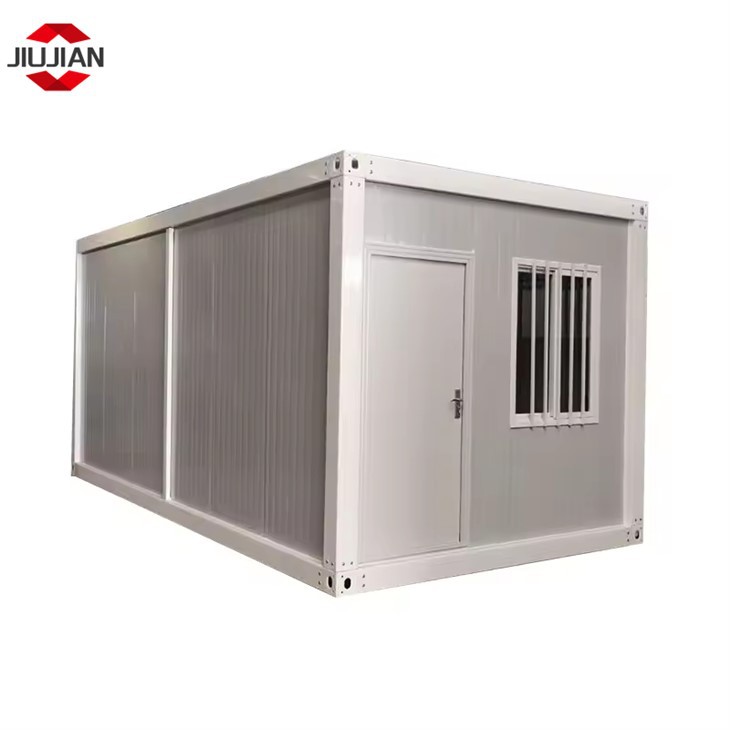
In some areas, container houses are fully embraced. Local governments recognize the benefits of container housing, such as its affordability, sustainability, and quick construction time. For example, in some parts of Europe, there are specific initiatives to promote alternative housing solutions, including container homes. These regions may have streamlined the permitting process for container houses, allowing them to be used as permanent residences without much hassle.
On the other hand, in more conservative areas, the rules may be stricter. Building codes are often designed with traditional construction methods in mind, and container houses may not fit neatly into these pre - established frameworks. Zoning laws can also pose challenges. Some zones are designated for specific types of housing, and container houses may not meet the criteria for those areas. For instance, if a zone is zoned for single - family detached homes built with traditional brick and mortar, a container house might not be allowed without a special variance.
Building Codes and Container Houses
Building codes are a set of standards that dictate how a structure should be built to ensure its safety. When it comes to container houses, these codes cover various aspects such as structural integrity, fire safety, electrical systems, and plumbing.
Structurally, a container house must be able to withstand the same forces as a traditional house. Containers are made of steel, which is a strong material, but modifications to the container, such as cutting large openings for windows and doors, can affect its structural stability. Therefore, it's essential to have a structural engineer review the design to ensure it meets the local building codes.
Fire safety is another critical aspect. Containers are made of steel, which is non - combustible. However, the interior finishes, insulation, and any additional structures attached to the container need to meet fire - safety standards. For example, the insulation should be fire - rated, and the electrical wiring should be installed in a way that minimizes the risk of fire.

Electrical and plumbing systems in container houses must also comply with local codes. This means using approved materials, proper grounding, and ensuring that the systems are installed by licensed professionals. In some areas, inspections may be required at various stages of the construction process to verify compliance.
Zoning Laws and Container Houses
Zoning laws are concerned with how land is used in a particular area. They divide a municipality into different zones, such as residential, commercial, industrial, and agricultural. Each zone has specific rules about what types of buildings can be constructed and how they can be used.
If you want to live in a container house, you need to make sure that the location you choose is zoned for residential use. Even within residential zones, there may be restrictions on the size, height, and appearance of the house. For example, some neighborhoods have aesthetic guidelines that require houses to blend in with the existing architecture. A brightly colored container house may not be allowed in such an area without obtaining a variance.
Some areas also have rules regarding setbacks, which are the minimum distances that a building must be set back from the property line. Container houses need to comply with these setback requirements to ensure that they do not encroach on neighboring properties or public rights - of - way.
Obtaining Permits
To legally live in a container house, you will typically need to obtain several permits. The first step is usually to submit your plans to the local building department for review. These plans should include detailed drawings of the container house, including its structural design, electrical and plumbing systems, and any proposed modifications to the container.
Once the plans are approved, you will need to obtain a building permit. This permit allows you to start construction on your container house. During the construction process, the building department may conduct inspections at various stages to ensure that the work is being done in accordance with the approved plans and local codes.

In addition to the building permit, you may also need other permits depending on your location. For example, if you are installing a septic system or connecting to the local water supply, you will need to obtain the appropriate permits from the relevant authorities.
The Benefits of Complying with the Law
While navigating the legal requirements for living in a container house may seem like a daunting task, there are many benefits to doing so. First and foremost, it ensures your safety and the safety of your family. By complying with building codes, you can be confident that your container house is structurally sound, has proper fire safety measures, and reliable electrical and plumbing systems.
Complying with the law also protects your investment. If you ever decide to sell your container house, having all the necessary permits and approvals in place will make it easier to find a buyer. A legally compliant container house is more likely to be appraised at a higher value, which can result in a better return on your investment.
Our Living Container House Offerings
At our company, we understand the importance of legal compliance when it comes to living container houses. We offer a wide range of Living Container House options that are designed to meet or exceed local building codes. Our Economic Living Container House models are perfect for those on a budget, while our more luxurious Living Container Houses offer all the amenities you could want in a modern home.
We work closely with our customers to ensure that they understand the legal requirements in their area. Our team of experts can provide guidance on obtaining the necessary permits and approvals, as well as offer design solutions that comply with local building codes and zoning laws.

Conclusion and Call to Action
In conclusion, living in a container house can be legal, but it requires careful consideration of local regulations. By understanding the building codes and zoning laws in your area, obtaining the necessary permits, and working with a reputable supplier like us, you can enjoy the many benefits of living in a container house.
If you're interested in learning more about our living container houses or have questions about the legal aspects of living in one, we encourage you to reach out to us. Our team is ready to assist you in making your container house dream a reality. We can provide you with detailed information about our products, help you navigate the legal process, and answer any other questions you may have. Contact us today to start the conversation about your future container home.
References
- International Code Council. (Year). International Building Code.
- Local Government Building and Zoning Departments. (Year). Local Building Codes and Zoning Laws.
- Container Housing Association. (Year). Best Practices for Container House Construction.