

Hey there! As a supplier of light steel villas, I've got a ton to share about the moisture-proof design of these awesome structures. Light steel villas have been gaining popularity for their quick construction, cost - effectiveness, and flexibility in design. But one crucial aspect that can't be overlooked is moisture protection. Let's dive right in!
Why Moisture - Proof Design Matters
Moisture can be a real pain in the neck for light steel villas. If not properly addressed, it can lead to a whole bunch of problems. Rust is one of the biggest issues. Steel, when exposed to moisture, starts to corrode. This not only weakens the structural integrity of the villa but also shortens its lifespan.
Mold and mildew are also common problems caused by excess moisture. They can make the indoor environment unhealthy, causing respiratory problems and allergic reactions for the people living in the villa. Plus, they look really ugly and can damage the interior finishes of the house.
Key Elements of Moisture - Proof Design
Foundation Design
The foundation is like the base of a house. A well - designed foundation can prevent moisture from seeping into the villa from the ground. We usually use a raised foundation for light steel villas. This keeps the main structure of the villa above the ground level, reducing the risk of contact with ground moisture.
We also make sure to install a moisture - barrier membrane on the foundation. This membrane acts as a shield, stopping water from penetrating through the foundation and into the house. It's a simple yet effective solution that goes a long way in protecting the villa from moisture.
Wall Insulation and Vapor Barriers
Walls are another area where moisture can cause trouble. For light steel villas, we use insulated wall panels. These panels not only provide good thermal insulation but also help with moisture control.
A vapor barrier is placed on the warm side of the wall insulation. In colder climates, this is usually on the interior side of the wall. The vapor barrier stops water vapor from moving through the wall and condensing on the cold surfaces. This prevents the formation of mold and mildew inside the walls.
We use high - quality insulation materials like expanded polystyrene (EPS) or polyurethane foam. These materials have low water absorption rates, which means they won't hold onto moisture and cause problems.
Roof Design
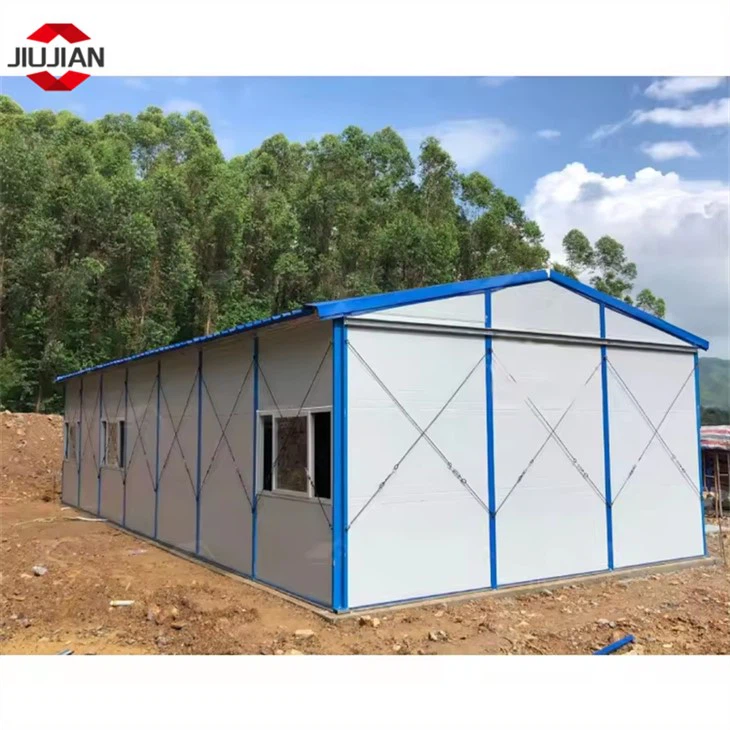
The roof is the first line of defense against rain and snow. A proper roof design is essential for keeping moisture out of the villa. We use pitched roofs for most of our light steel villas. Pitched roofs allow water to run off quickly, reducing the amount of time that water sits on the roof.
We also install a waterproof membrane on the roof. This membrane is made of materials like modified bitumen or synthetic rubber. It provides an extra layer of protection against water penetration. Additionally, we make sure that the roof has proper ventilation. Ventilation helps to remove moisture that may build up in the attic space, preventing condensation and mold growth.

Window and Door Sealing
Windows and doors are areas where air and water can easily enter the villa. That's why we pay special attention to their sealing. We use high - quality weatherstripping and seals around windows and doors. These seals prevent water from seeping in during rainstorms and also keep out drafts.
We also make sure that the frames of windows and doors are properly installed and level. Any gaps or misalignments can allow moisture to enter the villa. By ensuring a tight fit, we can significantly reduce the risk of moisture problems around windows and doors.
Our Product Range and Moisture - Proof Features
As a light steel villa supplier, we offer a wide range of products. For example, our Galvanised Steel K - type Prefabricated House is designed with all the moisture - proof features I've mentioned above. The galvanized steel frame is resistant to rust, and the wall and roof insulation systems are carefully engineered to keep moisture out.
Our Color Steel House also has excellent moisture - proof properties. The color steel panels are coated to prevent corrosion, and the overall design ensures proper ventilation and water drainage.
If you're looking for a larger structure, our Galvanised Steel Structure Plant is a great option. It's built with a solid moisture - proof foundation and well - insulated walls to protect against moisture damage.
Maintenance Tips for Moisture Control
Even with a great moisture - proof design, regular maintenance is still important. Here are some tips to keep your light steel villa dry and free from moisture problems:
- Check the Gutters and Downspouts: Make sure they are clean and free of debris. Clogged gutters can cause water to overflow and run down the sides of the house, leading to moisture problems.
- Inspect the Roof Regularly: Look for any signs of damage or wear on the roof. Replace any damaged shingles or repair any holes in the waterproof membrane.
- Monitor the Interior Humidity: Use a hygrometer to check the humidity levels inside the villa. Keep the humidity between 30% and 50% to prevent mold growth. You can use a dehumidifier if the humidity levels are too high.
- Seal Any Cracks or Gaps: Over time, small cracks or gaps may appear in the walls, floors, or around windows and doors. Seal these up with caulk or weatherstripping to prevent moisture from entering.
Contact Us for Your Moisture - Proof Light Steel Villa
If you're interested in a light steel villa with top - notch moisture - proof design, we'd love to hear from you. Whether you're building a small home or a large commercial structure, we have the expertise and products to meet your needs. Get in touch with us to discuss your project and start the journey of building your dream light steel villa.
References
- Building Science Corporation. (2018). Moisture Control in Buildings.
- International Code Council. (2020). International Residential Code.
- Steel Construction Institute. (2019). Design Guide for Steel Buildings in Humid Environments.