

Hey there! I'm a supplier of capsule houses, and today I'm super stoked to take you on a wild ride through the history of these cool little living spaces.
Let's start way back in the day. The concept of capsule houses didn't just pop out of nowhere. It was born out of a mix of necessity and innovation. In the mid - 20th century, cities around the world were facing some serious problems. Urbanization was going through the roof, and there just wasn't enough space for everyone to live comfortably. Land was getting scarce, and the cost of building traditional houses was sky - high.
In Japan, this problem was especially acute. Tokyo, in particular, was bursting at the seams. People were flocking to the city for jobs, and the demand for housing was overwhelming. That's when the idea of capsule houses started to take shape. In 1972, a Japanese architect named Kisho Kurokawa designed the Nakagin Capsule Tower. This was a game - changer. It was like a giant stack of individual living pods. Each capsule was pre - fabricated and could be easily attached to a central structure. The capsules were small, about the size of a large bedroom, but they were packed with everything a person might need. There was a bed, a small storage area, and even some basic amenities.
The Nakagin Capsule Tower was revolutionary in many ways. It was a response to the housing crisis, but it also represented a new way of thinking about living spaces. It was modular, which meant that if a capsule got old or needed repairs, it could be easily replaced. And because the capsules were pre - fabricated, they could be built quickly and at a relatively low cost.
But it wasn't just about solving the housing problem. The capsule house concept also had a cultural side to it. In Japan, there's a long - standing tradition of making the most of small spaces. The idea of a compact, efficient living area fit right in with this cultural mindset. People were used to living in small apartments and making do with limited space, so the capsule house wasn't such a big leap.
As time went on, the idea of capsule houses spread beyond Japan. In the 1980s and 1990s, other architects and designers around the world started to experiment with similar concepts. In Europe, for example, there was a growing interest in sustainable living and small - footprint housing. Capsule houses fit the bill perfectly. They used less energy, took up less land, and could be designed to be environmentally friendly.
One of the things that makes capsule houses so appealing is their versatility. They can be used in all sorts of ways. Some people use them as permanent homes, especially in urban areas where space is at a premium. Others use them as vacation homes, or even as offices. They're also popular in the hospitality industry. You might have seen capsule hotels in big cities, where travelers can rent a small, private capsule for the night at an affordable price.
Now, let's talk about some of the modern - day developments in capsule house design. Technology has played a huge role in making these spaces even better. With the advent of smart home technology, capsule houses can be equipped with all sorts of cool features. You can control the temperature, lighting, and even your entertainment system with just a few taps on your smartphone.

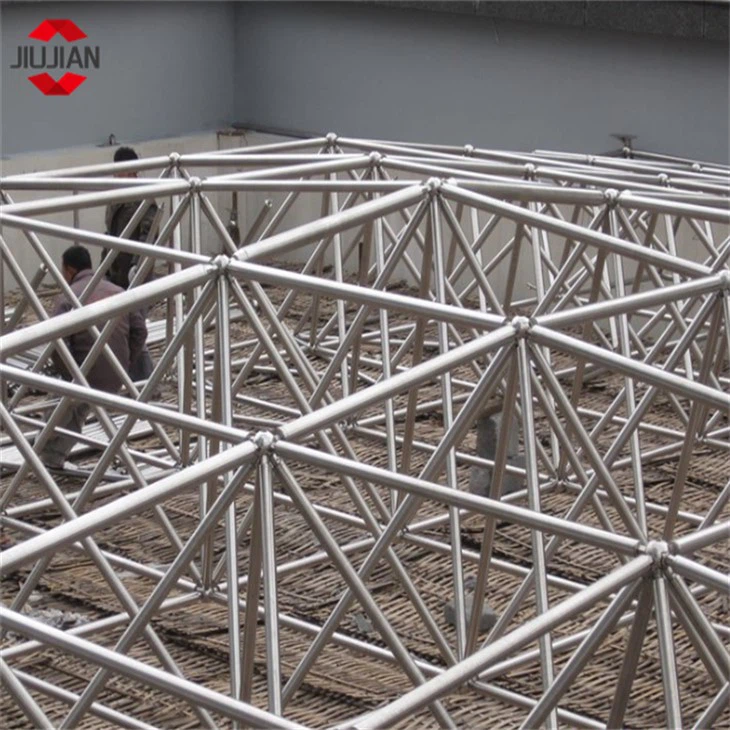
Materials have also improved. Today's capsule houses are made from a variety of high - quality, durable materials. They're designed to be strong, yet lightweight, which makes them easy to transport and install. And because they're often pre - fabricated, the construction process is much faster than building a traditional house.
Another interesting development is the incorporation of more open - concept designs. While the original capsule houses were quite compact and self - contained, modern designs are starting to blur the lines between indoor and outdoor spaces. Some capsule houses have large windows or even sliding doors that open up to a small outdoor area, giving the feeling of a much larger living space.
If you're in the market for a unique and efficient living solution, you might want to check out our Round Container House. It combines the best of both worlds - the compactness of a capsule house with the modern design and features that you'd expect from a high - end home.
As a supplier of capsule houses, I've seen firsthand how these spaces can change people's lives. They offer an affordable, sustainable, and stylish alternative to traditional housing. Whether you're a young professional looking for a cool place to live in the city, or a retiree wanting a cozy vacation home, a capsule house could be the perfect fit.
If you're interested in learning more about our capsule houses or discussing a potential purchase, don't hesitate to reach out. We're here to answer all your questions and help you find the perfect living space for your needs.
References
- "Kisho Kurokawa and the Nakagin Capsule Tower: A Symbol of Japanese Post - Modernism" by various architectural historians
- "The Evolution of Compact Living Spaces" in several urban planning journals
- Interviews with modern capsule house designers and architects