

In the realm of modern construction, container houses have emerged as a revolutionary alternative, offering a blend of affordability, sustainability, and versatility. As a seasoned supplier of modern container houses, I've witnessed firsthand the transformative impact these structures can have on various projects, from residential homes to commercial spaces. In this blog post, I'll delve into the cost - effectiveness of modern container houses, exploring the factors that contribute to their economic viability and why they're an increasingly popular choice for budget - conscious consumers.
Initial Investment
One of the most significant advantages of modern container houses is their relatively low initial cost compared to traditional construction methods. Traditional houses often require substantial upfront expenses for land acquisition, building materials, and labor. In contrast, container houses utilize recycled shipping containers, which are readily available and cost - effective. The basic structure of a container is already pre - fabricated, reducing the time and labor required for on - site construction.
The cost of a shipping container can vary depending on its size, condition, and location. On average, a standard 20 - foot container can cost anywhere from $1,500 to $3,000, while a 40 - foot container may range from $3,000 to $5,000. When you consider that these containers can serve as the foundation of a livable space, the savings are substantial. Additionally, the modular nature of container houses allows for easy expansion and customization, enabling you to start small and add on as your needs grow.
For instance, if you're looking for a fully - furnished option, check out our Modern Container House with Furniture. It offers a turn - key solution that can save you both time and money on interior design and furniture procurement.
Construction Time
Time is money, and in the construction industry, delays can lead to significant cost overruns. Modern container houses have a distinct advantage in terms of construction time. Since the containers are pre - fabricated, much of the work can be done off - site in a controlled factory environment. This reduces the impact of weather conditions and other external factors that can slow down traditional construction projects.
On average, a container house can be built in a fraction of the time it takes to construct a traditional home. While a traditional house may take several months or even years to complete, a container house can often be finished in a matter of weeks. This rapid construction not only saves on labor costs but also allows you to start using the space sooner, which can be especially beneficial for commercial projects or those with urgent housing needs.
Energy Efficiency
Energy efficiency is a crucial aspect of cost - effectiveness in the long run. Modern container houses can be designed with energy - saving features that significantly reduce utility bills. The steel structure of shipping containers provides a good thermal mass, which helps to regulate indoor temperatures. Additionally, containers can be insulated with high - performance materials to further enhance energy efficiency.
For example, proper insulation can prevent heat loss in the winter and heat gain in the summer, reducing the need for excessive heating and cooling. Solar panels can also be easily installed on the roof of a container house, providing a renewable source of energy and further lowering electricity costs. Over time, these energy - saving measures can result in substantial savings on utility bills, making container houses a more cost - effective option in the long term.
Maintenance Costs
Maintenance is another factor to consider when evaluating the cost - effectiveness of a housing option. Traditional houses often require regular maintenance, such as painting, roofing repairs, and foundation upkeep. In contrast, container houses have relatively low maintenance requirements.
The steel structure of shipping containers is durable and resistant to many common pests and weather - related damage. With proper maintenance, such as periodic inspections and rust prevention treatments, a container house can last for decades. This reduced need for maintenance not only saves money but also provides peace of mind for homeowners and property owners.
Resale Value
While it's important to consider the initial investment and ongoing costs, the resale value of a property is also a key factor in determining its cost - effectiveness. Container houses are becoming increasingly popular, and as a result, their resale value is on the rise. The unique and modern design of container houses appeals to a wide range of buyers, from eco - conscious individuals to those looking for an affordable and stylish housing option.
Moreover, the modular nature of container houses makes them easy to relocate or modify, which can increase their marketability. If you decide to sell your container house in the future, you're likely to recoup a significant portion of your investment, especially if you've maintained the property well and made energy - efficient upgrades.
Customization and Versatility
Container houses offer a high degree of customization and versatility, which can contribute to their cost - effectiveness. Whether you're looking for a small, cozy home or a large commercial space, container houses can be tailored to meet your specific needs. You can combine multiple containers to create a larger floor plan, or you can design a single - container house with unique features.
This flexibility means that you can build exactly what you need without over - spending on unnecessary space or features. For example, if you're a small business owner, you can design a container - based office that is both functional and cost - effective. The ability to customize the layout and design of a container house allows you to optimize the use of space and resources, resulting in a more efficient and cost - effective solution.
Environmental Sustainability
In today's world, environmental sustainability is not only a moral imperative but also a factor that can affect cost - effectiveness. Container houses are an eco - friendly option as they repurpose used shipping containers, reducing the demand for new building materials and minimizing waste. This not only helps to protect the environment but can also result in cost savings.
For instance, using recycled materials can be more cost - effective than purchasing new materials. Additionally, many governments and local authorities offer incentives for sustainable construction projects, such as tax breaks or grants. By choosing a container house, you may be eligible for these incentives, further reducing the overall cost of your project.
Conclusion
In conclusion, the cost - effectiveness of modern container houses is evident in multiple aspects, from the initial investment and construction time to energy efficiency, maintenance costs, resale value, customization, and environmental sustainability. As a supplier of modern container houses, I've seen the many benefits that these structures offer to homeowners, businesses, and communities.
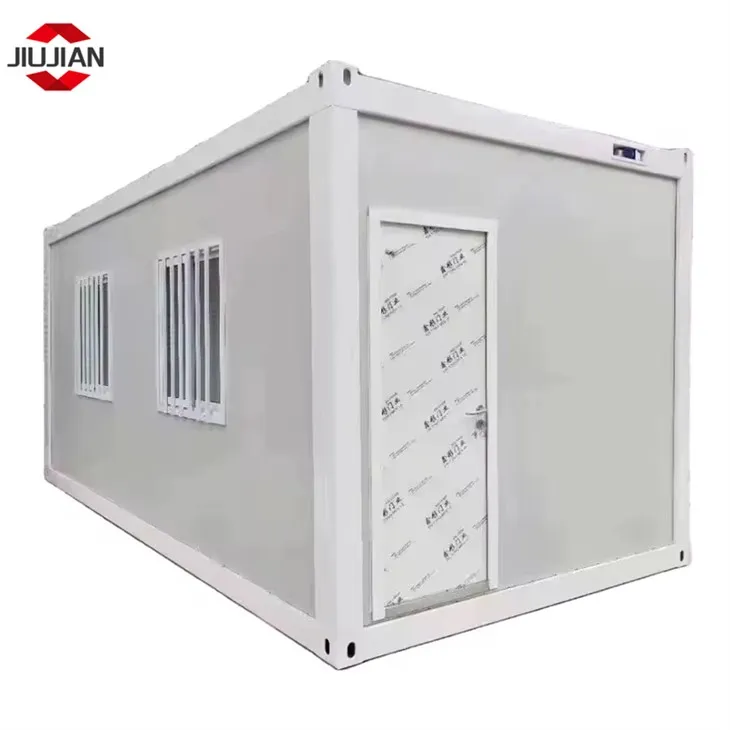

If you're considering a container house for your next project, I encourage you to reach out to us for more information. We can provide you with detailed cost estimates, design options, and guidance on the entire process. Whether you're looking for a residential home, a commercial space, or a unique housing solution, our team of experts is here to help you make the most cost - effective choice.
References
- "Container Home Living: The Complete Guide" by David Latimer
- "Shipping Container Architecture: Design and Build Your Own Home" by Andrew E. Freear
- Various industry reports on construction costs and energy efficiency trends