

Hey there! I'm a supplier of vessel houses, and I often get asked about the building codes for these unique dwellings. So, I thought I'd take the time to break it all down for you in this blog post.
First off, let's talk about what a vessel house is. It's basically a house built inside a large container or vessel, like a shipping container or a big round tank. These types of homes have become increasingly popular in recent years because they're affordable, eco - friendly, and can be really cool looking. I mean, who wouldn't want to live in a Round Container House?
Local Building Codes
The building codes for vessel houses can vary a whole lot depending on where you are. Every city, county, and state has its own set of rules and regulations when it comes to construction. Some places are super strict, while others are a bit more laid - back.
One of the first things you need to do is check with your local building department. They'll be able to tell you exactly what you need to do to make your vessel house compliant. This might include getting a building permit. You can't just go ahead and start building without one. It's like trying to drive a car without a license – you're gonna get in trouble.
Structural Integrity
One of the most important aspects of building codes for vessel houses is ensuring the structural integrity of the home. Since these houses are often made from recycled containers, the local authorities want to make sure that they can withstand the elements and normal wear and tear.
For example, the container needs to be properly reinforced. If it's a shipping container, it might need additional steel beams or supports added to it. This is to prevent the container from sagging or collapsing over time. The foundation is also crucial. You can't just plop a container on the ground and call it a day. It needs to be placed on a stable foundation, like a concrete slab or a pier foundation. This helps distribute the weight of the house evenly and keeps it from shifting.
Electrical and Plumbing Systems
Another big part of the building codes is the electrical and plumbing systems. These are essential for making your vessel house a livable space.
When it comes to electricity, you need to follow all the safety standards. This means using the right type of wiring, installing proper circuit breakers, and making sure all the electrical outlets are grounded. You can't just run wires haphazardly through the container. It has to be done in a way that reduces the risk of electrical fires.
Plumbing is just as important. You need to have a proper sewage system in place. This might involve connecting to the city sewer system if it's available, or installing a septic tank if you're in a more rural area. The water supply also needs to be clean and safe. You'll need to install a water heater, pipes, and fixtures that meet the local plumbing codes.
Fire Safety
Fire safety is a major concern in any home, and vessel houses are no exception. Building codes usually require that you have fire - resistant materials in certain areas of the house. For example, the walls and ceilings might need to be made of fire - rated drywall. You also need to have working smoke detectors installed throughout the house. Some areas might even require you to have a fire extinguisher on hand.
Insulation and Ventilation
Insulation and ventilation are key to making your vessel house comfortable. Since containers are made of metal, they can get really hot in the summer and cold in the winter. That's why proper insulation is necessary. You need to use insulation materials that are approved by the local building codes. This helps keep the temperature inside the house stable and reduces your energy costs.
Ventilation is also important. You need to have enough windows and vents to allow fresh air to circulate through the house. This helps prevent the build - up of moisture, which can lead to mold and mildew growth.
Accessibility
If you're building a vessel house, you also need to consider accessibility. Building codes often require that the house be accessible for people with disabilities. This might mean having ramps instead of stairs, wider doorways, and accessible bathrooms. It's not just about being compliant with the law; it's also about making your home inclusive for everyone.
The Process of Compliance
So, how do you actually make sure your vessel house meets all the building codes? Well, it starts with doing your research. As I mentioned earlier, check with your local building department. They can give you a list of all the requirements.
Once you have that list, you can start working with a contractor or a builder who has experience with vessel houses. They'll know how to build the house in a way that meets all the codes. You'll also need to have inspections done at various stages of the construction process. The building department will send an inspector to check that everything is being done correctly. If there are any issues, they'll let you know what needs to be fixed.
Why Complying with Building Codes is a Good Thing
You might be thinking, "Why do I have to follow all these building codes? It seems like a hassle." But there are actually a lot of good reasons to comply.
First of all, it keeps you and your family safe. By following the codes, you're ensuring that your home is structurally sound, has safe electrical and plumbing systems, and is protected against fires.
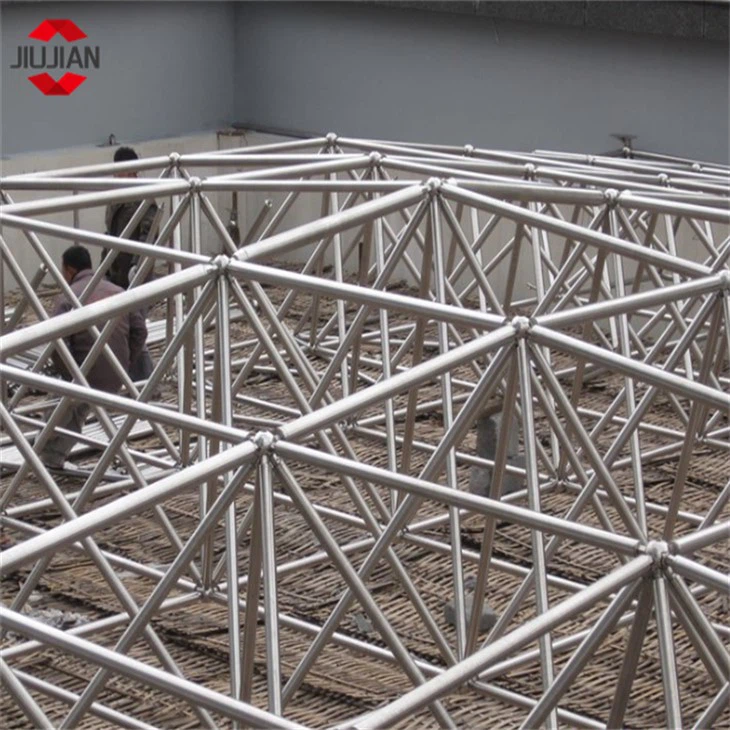

Secondly, it increases the value of your home. If you ever decide to sell your vessel house, a potential buyer will be more likely to purchase it if they know it meets all the building codes. It gives them peace of mind.
Finally, it helps you avoid legal issues. If you don't follow the building codes, you could face fines or even have to tear down the house. It's just not worth the risk.
Conclusion
So, there you have it – a breakdown of the building codes for vessel houses. It can seem like a lot to take in, but it's all about making sure your home is safe, comfortable, and compliant with the law.
If you're interested in purchasing a vessel house from us, we're here to help you every step of the way. We have a team of experts who are familiar with the building codes in different areas. We can work with you to design and build a vessel house that meets all the requirements. Whether you're looking for a small, cozy home or a large, luxurious Round Container House, we've got you covered.
If you have any questions or want to start the process of purchasing a vessel house, don't hesitate to reach out. We're always happy to have a chat and see how we can help you turn your dream of living in a vessel house into a reality.
References
- Local building department regulations
- Industry standards for container - based construction
- Fire safety and electrical code handbooks