

As a supplier of prefab container houses, I've witnessed firsthand the growing popularity of these versatile and eco - friendly structures. Prefab container houses offer a cost - effective and quick - to - build alternative to traditional homes, but many customers are concerned about their aesthetic appeal. In this blog, I'll share some practical tips on how to enhance the look of a prefab container house, making it not only functional but also visually appealing.
1. Exterior Modifications
Painting and Finishes
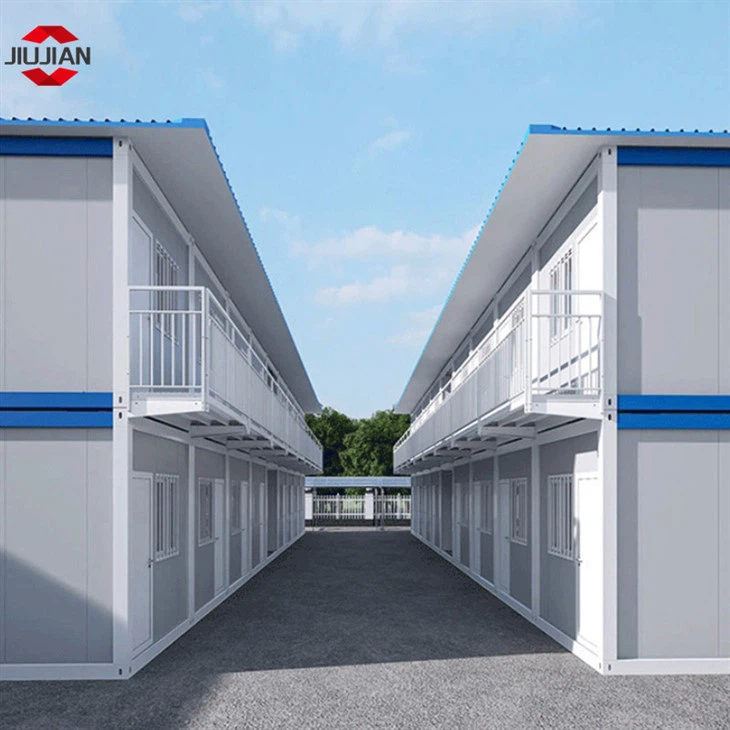
One of the simplest ways to transform the appearance of a prefab container house is through painting. Standard shipping containers often come in a dull, industrial color. A fresh coat of paint can give the house a modern, vibrant look. You can choose a single color for a sleek, minimalist appearance or use a combination of colors to create a more eye - catching design. For instance, a white base with bold, contrasting accents on the window frames or door can make the house stand out.
In addition to paint, you can also consider other exterior finishes. Wood cladding is a popular choice as it adds a warm, natural element to the otherwise industrial structure. It can be installed vertically or horizontally, depending on the desired aesthetic. Fiber cement siding is another option; it is durable, low - maintenance, and comes in a variety of textures and colors that can mimic the look of natural materials like stone or brick.
Landscaping
The area around the prefab container house can significantly impact its overall aesthetic. Start by creating a well - defined entrance with a pathway. You can use materials such as gravel, pavers, or natural stone to add texture and visual interest. Planting shrubs, flowers, and trees around the house can soften the industrial edges of the container. Evergreen shrubs can provide year - round greenery, while colorful flowers can add seasonal pops of color.
A small garden or a patio area can also enhance the usability and appeal of the exterior. You can install a pergola over the patio, which not only provides shade but also adds an architectural element to the space. For more inspiration on exterior design, you can explore our Prefab Folding Container House options, which showcase different exterior styles.
Window and Door Design
Windows and doors are like the eyes and mouth of a house; they play a crucial role in its aesthetic. Instead of using standard, industrial - looking windows, opt for larger, modern - style windows. Floor - to - ceiling windows can flood the interior with natural light and create a seamless connection between the inside and outside. You can also choose windows with different shapes, such as arched or circular windows, to add a unique touch.
Doors should also be carefully selected. A stylish front door can make a strong first impression. You can choose a door with decorative glass inserts or a unique design. Sliding glass doors are a great option for connecting the living area to the patio, as they offer a wide view and easy access to the outdoors. Our 20ft Prefab Container House models feature various window and door designs to suit different aesthetic preferences.
2. Interior Design
Layout Planning
The layout of a prefab container house can greatly affect its aesthetic and functionality. When planning the interior layout, consider the flow of the space. Avoid creating a maze - like layout with too many small, enclosed rooms. Instead, opt for an open - concept design, which allows for better visual connection between different areas of the house. For example, combining the living, dining, and kitchen areas into one large space can make the house feel more spacious and inviting.

However, if privacy is a concern, you can use partitions or sliding doors to create separate areas when needed. You can also create multi - functional spaces. For instance, a loft area can serve as a bedroom or a home office during the day and a cozy reading nook at night.
Flooring and Wall Treatments
Flooring is an important element of interior design. Hardwood floors can add a touch of elegance and warmth to the space. If you're on a budget, laminate flooring that mimics the look of wood is a great alternative. Carpet can also be used in bedrooms or living areas to add comfort and softness.
Wall treatments can also transform the interior. You can paint the walls in a neutral color to create a calm and sophisticated backdrop, or you can use bold, bright colors to make a statement. Wall murals or wallpaper can add personality and visual interest. For a more industrial look, exposed brick or concrete walls can be left as they are or painted with a clear sealant to protect them.
Furniture and Decor
The choice of furniture and decor can make or break the aesthetic of a prefab container house. Choose furniture that fits the scale of the space. In a smaller container house, avoid oversized furniture that can make the space feel cramped. Instead, opt for sleek, modern furniture with clean lines. You can mix and match different styles to create a unique look. For example, combine industrial - style metal furniture with soft, plush cushions.
Decorative elements such as artwork, plants, and mirrors can also enhance the interior. Hang paintings or photographs on the walls to add color and personality. Indoor plants not only purify the air but also add a touch of nature to the interior. Mirrors can be used to create the illusion of a larger space and reflect light. Our Prefab Container House with Bathroom models showcase different interior design concepts that can inspire your own project.
3. Lighting Design
Natural Light
Maximizing natural light is essential for the aesthetic and functionality of a prefab container house. As mentioned earlier, using larger windows and strategic window placement can ensure that the interior is well - lit during the day. Skylights are another great addition, as they can bring in light from above and create a bright, airy atmosphere. You can also use light - colored interior finishes to reflect natural light and make the space feel brighter.
Artificial Lighting
In addition to natural light, artificial lighting is crucial for creating a warm and inviting atmosphere in the evenings. Layered lighting is the key. Start with ambient lighting, such as ceiling fixtures or recessed lights, to provide general illumination. Task lighting, such as under - cabinet lights in the kitchen or desk lamps in the office, is necessary for specific activities. Accent lighting can be used to highlight architectural features or decorative elements, such as wall sconces or spotlights.
4. Customization and Personalization
Incorporating Unique Elements
To make your prefab container house truly stand out, consider incorporating unique elements. This could be a custom - designed staircase, a built - in bookshelf, or a feature wall. You can also add personal touches, such as family heirlooms or handmade crafts, to make the house feel like a home.
Sustainable Features
Many customers are interested in sustainable living, and incorporating sustainable features into the prefab container house can also enhance its aesthetic appeal. Solar panels on the roof not only reduce energy costs but also give the house a modern, eco - friendly look. Rainwater harvesting systems can be integrated into the design, and a green roof can add a touch of nature and improve insulation.
In conclusion, improving the aesthetic appeal of a prefab container house involves a combination of exterior modifications, interior design, lighting design, and customization. By following these tips, you can transform a simple shipping container into a beautiful, functional home. If you're interested in purchasing a prefab container house or need more advice on enhancing its aesthetic, we'd love to have a conversation with you. Contact us to start the procurement discussion and bring your dream prefab container house to life.
References
- Smith, J. (2020). "Container House Design Trends." Architecture Today, Vol. 35, Issue 2, pp. 45 - 52.
- Johnson, L. (2019). "Sustainable Design in Prefab Structures." Green Building Journal, Vol. 22, Issue 4, pp. 67 - 74.
- Brown, M. (2021). "Interior Design for Small Spaces." Home Decor Magazine, Vol. 40, Issue 3, pp. 33 - 40.