

Hey there! I'm a supplier of prefab container houses, and I've seen my fair share of pest problems in these nifty little homes. In this blog, I'll share some practical tips on how to deal with pests in prefab container houses.
First off, let's talk about the common pests you might encounter. Rodents like mice and rats are a real nuisance. They can chew through wires, damage insulation, and spread diseases. Insects such as ants, cockroaches, and termites are also a big issue. Ants can invade your food supplies, cockroaches are just plain gross and can carry germs, and termites can cause serious structural damage to your container house.
Prevention is Key
The best way to deal with pests is to prevent them from getting in the first place. Here are some preventive measures you can take:
- Seal Up Cracks and Holes: Check your container house for any cracks or holes in the walls, floors, and ceilings. Use caulk or weatherstripping to seal them up. Even the smallest gap can be an entry point for pests. For example, mice can squeeze through a hole the size of a dime!
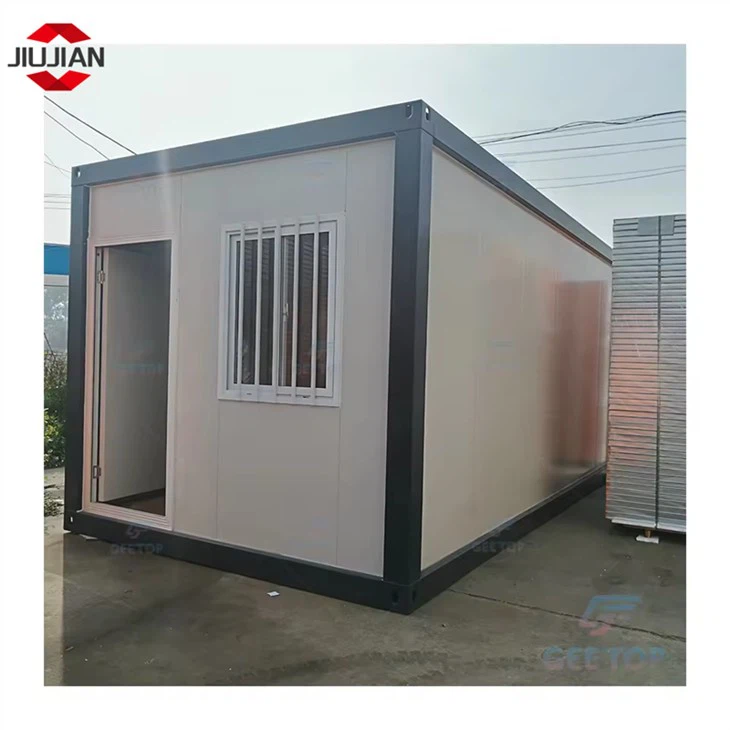
- Keep It Clean: A clean house is less attractive to pests. Regularly sweep and mop the floors, wipe down countertops, and take out the trash. Don't leave food out in the open, especially overnight. Make sure to store food in sealed containers. If you have a 20ft Prefab Container House, keeping it clean will be easier as it's a more compact space.
- Trim Vegetation: If your container house is surrounded by plants, make sure to keep them trimmed. Overgrown vegetation can provide shelter and a pathway for pests to get into your house. Rodents and insects can use branches and vines to climb onto your roof or into your windows.
- Check for Standing Water: Pests like mosquitoes breed in standing water. Make sure there are no areas around your container house where water can collect, such as in flower pots or clogged gutters. If you have a Prefab Container House with Bathroom, check for any leaks under the sink or around the toilet.
Dealing with Rodents
If you suspect you have rodents in your container house, here's what you can do:
- Set Traps: There are different types of traps available, such as snap traps and glue traps. Place them in areas where you've seen signs of rodent activity, like near food sources or along walls. Make sure to follow the instructions carefully when setting the traps.
- Use Rodenticides: Rodenticides can be effective, but they should be used with caution. Keep them out of reach of children and pets. Place the rodenticides in bait stations to prevent accidental ingestion.
- Call a Professional: If the rodent problem is severe, it might be best to call a pest control professional. They have the experience and tools to deal with the situation safely and effectively.
Dealing with Insects
For insects, the approach can vary depending on the type of insect:
- Ants: To get rid of ants, you can use ant baits. Place them near ant trails or where you've seen ants entering your house. The ants will take the bait back to their colony, which can help eliminate the entire nest. You can also try using a mixture of vinegar and water to clean the areas where ants are present. The strong smell can disrupt their scent trails.
- Cockroaches: Cockroaches are notoriously difficult to get rid of. You can use cockroach baits or sprays. Make sure to target areas where cockroaches like to hide, such as under the sink, behind appliances, and in dark corners. Keep your house clean and clutter-free to reduce their hiding places.
- Termites: Termites can cause significant damage to the structure of your container house. If you suspect you have a termite infestation, it's crucial to call a professional termite control service right away. They can perform an inspection and recommend the appropriate treatment, such as termite baiting systems or chemical treatments.
Natural Remedies
If you prefer to use natural remedies, there are several options available:

- Essential Oils: Some essential oils, such as peppermint oil, eucalyptus oil, and tea tree oil, have pest-repellent properties. You can mix a few drops of these oils with water and spray the solution around your house, especially in areas where pests are likely to enter.
- Diatomaceous Earth: Diatomaceous earth is a natural powder made from the fossilized remains of diatoms. It can be effective against insects like ants, cockroaches, and fleas. Sprinkle it in areas where you've seen pest activity, but be careful not to inhale the powder as it can be harmful to your lungs.
Regular Inspections
Even if you don't currently have a pest problem, it's a good idea to conduct regular inspections of your container house. Check for any signs of pest activity, such as droppings, chewed wires, or damaged wood. Early detection can help you address the problem before it gets out of hand.
In conclusion, dealing with pests in prefab container houses requires a combination of prevention, early detection, and appropriate treatment. By following these tips, you can keep your Prefab Folding Container House or any other type of prefab container house pest-free.
If you're interested in purchasing a prefab container house or have any questions about pest control in these houses, feel free to reach out for a chat. We're here to help you make the most of your container house experience!
References
- "Pest Control for Your Home" - National Pest Management Association
- "Rodent Control Basics" - Centers for Disease Control and Prevention
- "Insect Identification and Control" - University of California Agriculture and Natural Resources