

Hey there! I'm a supplier of prefab container houses, and I often get asked this question: Can prefab container houses be connected together? Well, the short answer is yes, they can! And in this blog, I'm gonna break down how it works, the benefits, and some things to keep in mind.
How Can Prefab Container Houses Be Connected?
First off, let's talk about the methods. There are a few ways to connect these houses, and it largely depends on your needs and the design of the containers.
Structural Connections
One common method is using structural connectors. These are like the nuts and bolts of the container - connecting world. They're usually made of strong metals like steel and are designed to hold the containers firmly together. For example, corner castings, which are found on the corners of most standard shipping containers, can be used to attach one container to another. You can use bolts or specialized locking mechanisms to secure them. This provides a very stable connection, making sure the whole structure can withstand different weather conditions and loads.
Welding
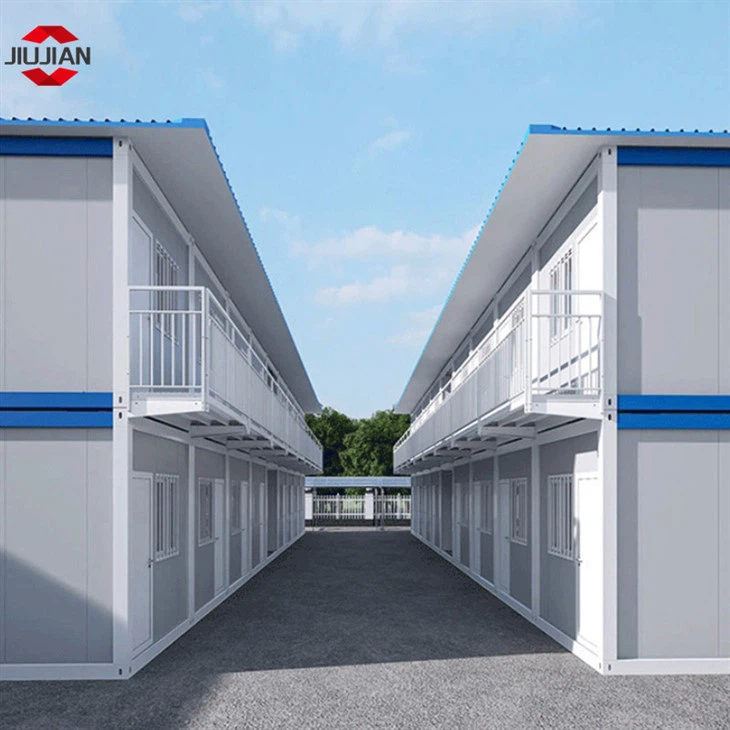
Another option is welding. Welding creates a permanent bond between the containers. It's a great choice if you want a super - strong and seamless connection. However, it requires professional welders to ensure the job is done safely and correctly. The advantage of welding is that it can make the connected containers act as one large, solid unit, which is ideal for larger structures like multi - story buildings or big commercial spaces.
Modular Joint Systems
Some prefab container houses come with modular joint systems. These are pre - designed connectors that are easy to install. They often have a simple plug - and - play design, which means you don't need a lot of specialized tools or skills. This makes it a popular choice for DIY projects or smaller - scale connections.
Benefits of Connecting Prefab Container Houses
Expandable Living or Working Space
One of the biggest benefits is the ability to expand your space. Whether you're using the container houses for housing, offices, or storage, connecting them allows you to create a larger area. For instance, if you start with a single 20ft Prefab Container House for a small office, you can easily add more containers as your business grows. This is much more cost - effective than building a whole new building from scratch.
Customizable Design
Connecting container houses gives you a lot of freedom in terms of design. You can create unique floor plans by arranging the containers in different configurations. You can have a linear layout, an L - shape, or even a U - shape. This flexibility allows you to tailor the space to your specific needs and preferences. For example, you could connect a Prefab Container House with Bathroom to a living area to create a complete, self - contained unit.
Cost - Efficiency
Compared to traditional construction methods, connecting prefab container houses is often more cost - effective. Containers are relatively inexpensive, and the installation process is usually quicker. Plus, since you're reusing existing structures, you're reducing the amount of new materials needed. This not only saves money but also has a positive impact on the environment.
Things to Keep in Mind
Foundation and Support
When you connect multiple container houses, the foundation becomes even more important. The combined weight of the containers can put more stress on the ground. You need to make sure the foundation is strong enough to support the entire structure. Depending on the size and number of containers, you may need to pour a concrete slab or use other types of foundations like screw piles.
Utilities and Plumbing
Connecting the utilities between the containers can be a bit tricky. You need to ensure that the electrical, plumbing, and ventilation systems are properly integrated. For example, when connecting bathrooms in different containers, you need to make sure the pipes are connected correctly to avoid leaks and drainage issues.
Building Codes and Regulations
Before you start connecting container houses, you need to check the local building codes and regulations. Some areas may have specific requirements regarding the connection of modular structures, especially when it comes to safety and fire regulations. Make sure you get all the necessary permits to avoid any legal issues down the road.
Examples of Connected Prefab Container House Projects
Residential Buildings
In some areas, people are using connected container houses to build affordable and stylish homes. For example, a family might start with a couple of basic containers and then gradually add more as their family grows. They can create separate bedrooms, a living room, and a kitchen by connecting different types of Prefab Folding Container House. The folding feature makes it easier to transport and assemble the containers.
Commercial Spaces
Many businesses are also taking advantage of connected container houses. A startup might use a few connected containers as an office space. They can customize the interior to create meeting rooms, workstations, and a reception area. This provides a cost - effective and modern alternative to traditional office buildings.
Conclusion
So, to sum it up, prefab container houses can definitely be connected together, and there are many benefits to doing so. Whether you're looking to expand your living space, create a unique commercial building, or just want a cost - effective construction solution, connecting container houses is a great option.

If you're interested in starting a project with connected prefab container houses, I'd love to chat with you. As a supplier, I can provide you with high - quality containers, expert advice on connection methods, and help you navigate the building process. Feel free to reach out and let's start planning your dream project!
References
- "Container Home Design and Construction" by some industry expert
- Local building code documents
- Articles from container housing magazines and websites