

Can living container houses be used as daycare centers? This is a question that has piqued the interest of many in the childcare and construction industries. As a supplier of Living Container Houses, I've had numerous discussions with potential clients about this very topic. In this blog post, I'll delve into the feasibility, advantages, and considerations of using living container houses as daycare centers.

Feasibility of Using Living Container Houses as Daycare Centers
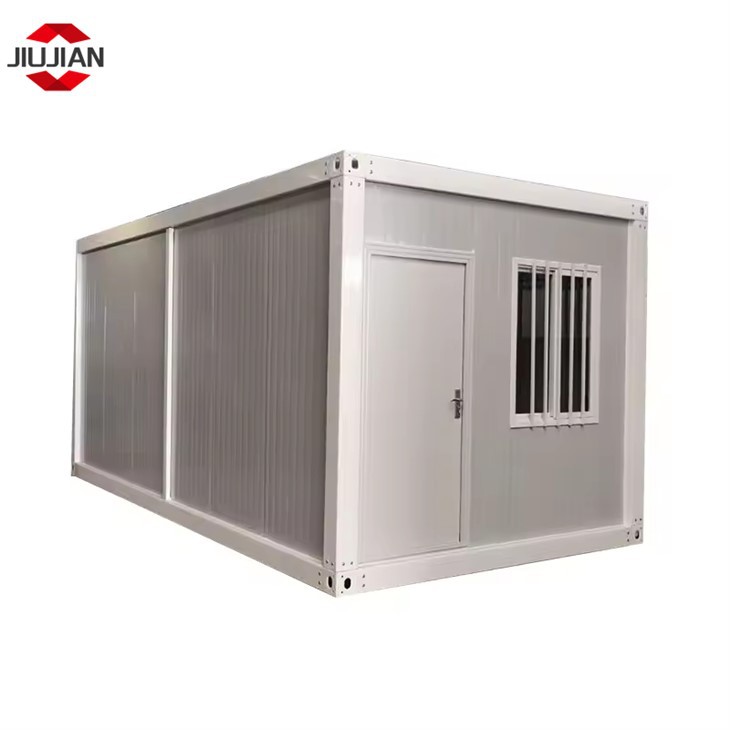
First and foremost, it's essential to understand that living container houses are highly adaptable structures. These Living Container House units are built with sturdy steel frames, which can withstand various environmental conditions. This durability provides a stable and secure foundation for a daycare center.
From a spatial perspective, container houses can be customized to meet the specific needs of a daycare. They can be combined and modified to create large open - play areas, separate sleeping quarters, and educational spaces. For example, by removing some internal walls and adding large windows, we can transform a single or multiple container units into a bright and airy environment that is conducive to children's learning and play.
In terms of infrastructure, modern living container houses can be equipped with all the necessary utilities. Plumbing systems can be installed to provide running water for bathrooms and kitchens, and electrical systems can power lighting, heating, and educational equipment. Additionally, ventilation systems can ensure proper air circulation, which is crucial for the health and well - being of the children.
Advantages of Using Living Container Houses for Daycare Centers
Cost - Effectiveness
One of the most significant advantages of using Economic Living Container House for daycare centers is cost - effectiveness. Traditional brick - and - mortar construction can be extremely expensive, especially when it comes to building a new daycare facility. Container houses, on the other hand, are relatively inexpensive to purchase and modify. The cost of materials and labor for a container - based daycare center is often significantly lower than that of a conventional building. This cost savings can be redirected towards other important aspects of the daycare, such as educational resources and staff training.
Quick Construction
Time is of the essence when it comes to opening a daycare center. Container houses can be constructed and installed much faster than traditional buildings. Since the containers are pre - fabricated in a factory, the on - site construction time is greatly reduced. This means that a daycare center can be up and running in a matter of weeks rather than months or even years. This quick turnaround time allows daycare providers to start serving the community sooner and generate revenue more rapidly.
Mobility and Flexibility
Living container houses offer a high degree of mobility. If the need arises, a daycare center built from container houses can be easily relocated. This is particularly useful for temporary daycare setups or for providers who may need to move to a different location to better serve their target population. Additionally, container houses can be easily expanded or modified in the future. As the number of children enrolled in the daycare grows, additional container units can be added to accommodate the increased demand.
Sustainability
In today's environmentally conscious world, sustainability is a key consideration. Container houses are an eco - friendly option for daycare centers. By repurposing shipping containers, we reduce the amount of waste going to landfills. Moreover, container houses can be designed with energy - efficient features such as solar panels and insulation, which can help reduce the center's carbon footprint and lower energy costs in the long run.
Considerations When Using Living Container Houses as Daycare Centers
Safety and Regulations
Safety is the top priority when it comes to daycare centers. Container houses must meet all relevant safety regulations. This includes fire safety, structural integrity, and child - proofing. For example, fire - resistant materials should be used in the construction, and proper fire exits and alarms must be installed. Additionally, all sharp edges and corners should be rounded off, and electrical outlets should be covered to prevent accidents.
It's also important to ensure that the daycare center complies with local building codes and licensing requirements. Different regions may have specific regulations regarding the size, layout, and facilities of daycare centers. Working closely with local authorities and obtaining the necessary permits is crucial before opening a container - based daycare.
Interior Design and Comfort
The interior design of the container - based daycare center plays a vital role in creating a positive environment for children. The space should be bright, colorful, and inviting. Adequate storage space is also necessary to keep toys, books, and other supplies organized. Comfort is equally important, so appropriate furniture such as child - sized tables and chairs, and comfortable sleeping mats should be provided.
Community Perception
Some members of the community may have concerns about using container houses as daycare centers. There may be a perception that container houses are not as safe or as high - quality as traditional buildings. To address these concerns, it's important to communicate the benefits and safety features of container houses clearly. Providing tours of the facility and sharing success stories of other container - based daycare centers can help build trust and acceptance within the community.
Conclusion
In conclusion, living container houses can indeed be used as daycare centers. They offer a cost - effective, quick, and flexible solution for daycare providers. With proper planning, design, and compliance with safety regulations, a container - based daycare center can provide a safe, comfortable, and stimulating environment for children.
If you're considering opening a daycare center or are looking for an alternative to traditional construction, I encourage you to explore the possibilities of using living container houses. As a supplier, I'm here to assist you in every step of the process, from design and customization to installation and after - sales support. Contact me to start a discussion about how we can create the perfect daycare center using our living container houses.
References
- Building Codes and Regulations for Daycare Centers: Local Government Publications
- Container House Construction Manuals: Industry - Standard Guides
- Research on the Environmental Impact of Container Repurposing: Academic Journals