

Can a round container house be connected to other structures?
As a supplier of round container houses, I often encounter inquiries from clients regarding the feasibility of connecting these unique structures to other buildings or facilities. This topic is not only relevant for those looking to expand their living or working spaces but also for those interested in creating innovative and functional architectural designs. In this blog post, I will explore the possibilities and considerations when it comes to connecting a round container house to other structures.
The Advantages of Connecting Round Container Houses
Round container houses offer several advantages that make them an attractive option for connection to other structures. Firstly, their circular shape provides a unique aesthetic appeal that can add a modern and distinctive touch to any building complex. This can be particularly beneficial for those looking to create a visually striking and memorable space.

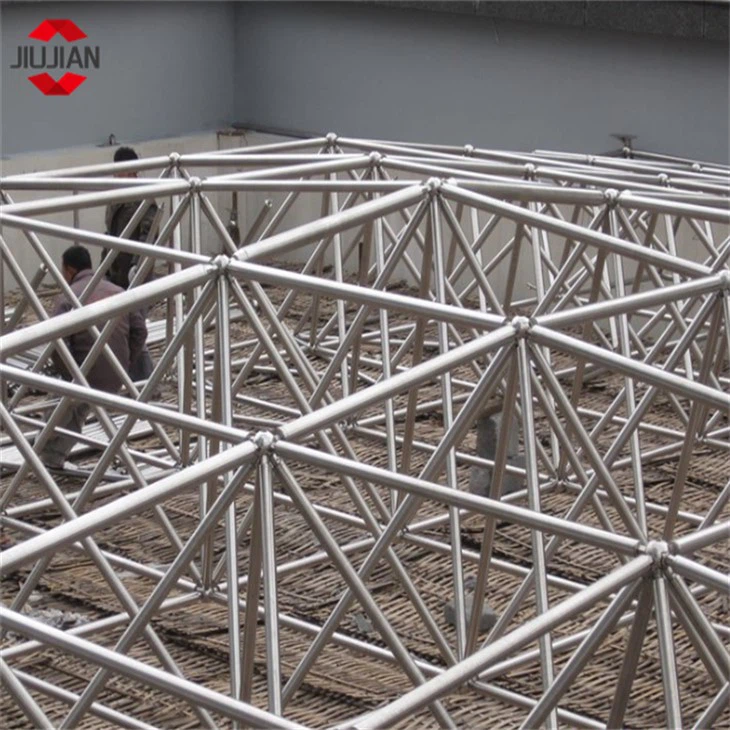
Secondly, round container houses are highly modular and can be easily customized to fit specific requirements. This means that they can be designed to connect seamlessly with other structures, whether it's a traditional house, a commercial building, or even another container house. The modular nature of these houses also allows for easy expansion and modification in the future, providing flexibility and adaptability.
Another advantage of connecting round container houses is the potential for cost savings. By utilizing existing structures and infrastructure, such as plumbing, electrical systems, and foundations, the overall cost of construction can be significantly reduced. Additionally, the energy efficiency of round container houses can help to lower utility bills, making them a more sustainable and cost-effective option in the long run.
Technical Considerations
When connecting a round container house to other structures, there are several technical considerations that need to be taken into account. One of the most important factors is the structural integrity of the connection. The round shape of the container house can pose challenges in terms of aligning and connecting it to other structures, which typically have straight walls and corners. Therefore, it is essential to ensure that the connection is properly engineered and reinforced to withstand the forces and loads that will be placed on it.
Another technical consideration is the waterproofing and insulation of the connection. Since the round container house and the other structure may have different roofing and wall systems, it is important to ensure that the connection is properly sealed to prevent water leakage and heat loss. This may require the use of specialized waterproofing membranes and insulation materials to ensure a tight and energy-efficient seal.
In addition to structural and waterproofing considerations, it is also important to consider the electrical and plumbing connections between the round container house and the other structure. These systems need to be properly integrated to ensure that they function effectively and safely. This may require the services of a qualified electrician and plumber to ensure that the connections are made in accordance with local building codes and regulations.
Design Possibilities
Connecting a round container house to other structures opens up a wide range of design possibilities. One option is to connect the container house to an existing building to create an extension or addition. This can be a great way to expand living or working spaces without the need for a large-scale construction project. The round shape of the container house can add a unique and modern element to the existing building, creating a visually interesting and functional space.
Another design possibility is to connect multiple round container houses together to create a larger and more complex structure. This can be particularly useful for those looking to create a communal living or working space, such as a co-living community or a shared office. By connecting the container houses, it is possible to create a variety of different layouts and configurations, depending on the specific needs and preferences of the users.
In addition to connecting round container houses to other structures, it is also possible to integrate them with other architectural elements, such as decks, porches, and gardens. This can enhance the functionality and aesthetic appeal of the overall design, creating a more seamless and harmonious living or working environment.
Case Studies
To illustrate the possibilities of connecting round container houses to other structures, let's take a look at some real-life case studies.
Case Study 1: Residential Extension
In this case, a homeowner wanted to add an extra bedroom and living space to their existing house. Instead of building a traditional extension, they decided to connect a round container house to the side of their house. The container house was designed to match the style and color of the existing house, creating a seamless and integrated look. The connection between the container house and the existing house was carefully engineered to ensure structural integrity and waterproofing. The result was a beautiful and functional extension that added value to the property and provided the homeowner with additional living space.
Case Study 2: Co-Living Community
A group of individuals wanted to create a co-living community that was both sustainable and affordable. They decided to use round container houses as the main building blocks for the community. The container houses were connected together to create a series of interconnected living units, each with its own private bedroom and shared living and cooking areas. The connection between the container houses was designed to allow for easy movement between the units, creating a sense of community and interaction. The co-living community also included shared outdoor spaces, such as gardens and a communal kitchen, which further enhanced the sense of community and sustainability.
Conclusion
In conclusion, a round container house can be successfully connected to other structures, offering a range of advantages and design possibilities. However, it is important to carefully consider the technical aspects of the connection, such as structural integrity, waterproofing, and electrical and plumbing systems. By working with a qualified architect and contractor, it is possible to create a safe, functional, and aesthetically pleasing connection that meets the specific needs and preferences of the users.
If you are interested in learning more about round container houses and their connection to other structures, please visit our website Round Container House for more information. We are a leading supplier of round container houses, and we would be happy to discuss your specific requirements and provide you with a customized solution. Contact us today to start the conversation and explore the possibilities of creating your dream living or working space.
References
- Building Codes and Regulations: Local building codes and regulations should be consulted to ensure that the connection between the round container house and other structures meets all safety and structural requirements.
- Engineering Principles: The structural integrity of the connection should be based on sound engineering principles, taking into account factors such as load distribution, wind and seismic forces, and material strength.
- Waterproofing and Insulation: Proper waterproofing and insulation techniques should be used to prevent water leakage and heat loss at the connection between the round container house and other structures.
- Electrical and Plumbing Systems: Electrical and plumbing systems should be designed and installed in accordance with local codes and regulations to ensure safe and efficient operation.