

Are triangle houses energy-star rated? This is a question that many potential buyers of unique housing options often ask. As a supplier of triangle houses, I've encountered this query numerous times, and it's a topic worth delving into in detail.
Understanding Energy Star Ratings
First, let's clarify what an Energy Star rating means. The Energy Star program, established by the U.S. Environmental Protection Agency (EPA) and the U.S. Department of Energy, is a voluntary program that promotes energy efficiency in various products, including homes. A home that earns the Energy Star label meets strict energy efficiency guidelines set by the EPA. These guidelines cover aspects such as insulation, windows, heating and cooling systems, and lighting. Energy Star-rated homes are designed to use less energy, which not only reduces utility bills but also helps to protect the environment by lowering greenhouse gas emissions.
Energy Efficiency Features of Triangle Houses
Triangle houses, with their distinctive shape, offer several inherent advantages when it comes to energy efficiency. The triangular design allows for a more efficient use of space, reducing the overall surface area of the house compared to a traditional rectangular or square-shaped home. A smaller surface area means less heat transfer through the walls, roof, and floors, which can result in lower heating and cooling costs.
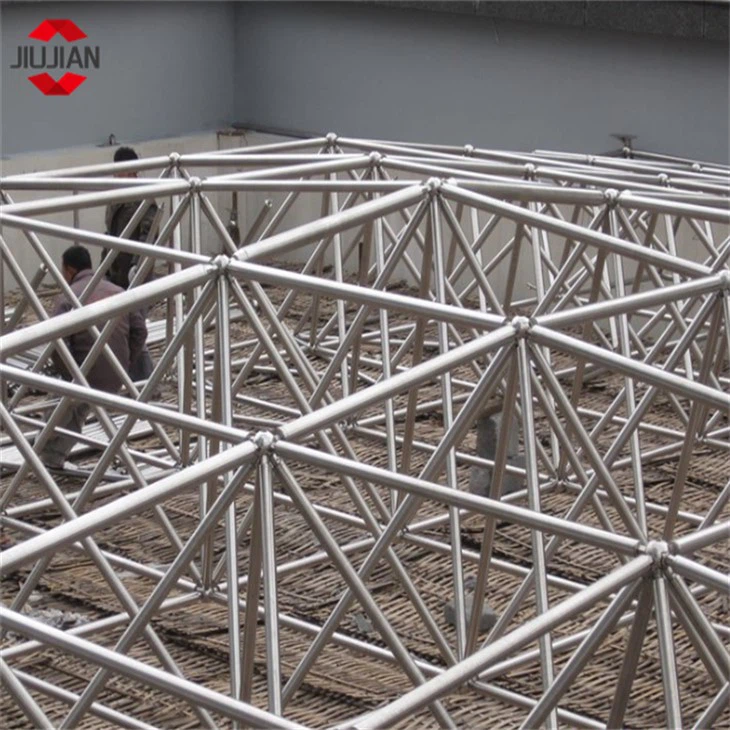

Additionally, the sloping walls of a triangle house can be optimized for solar gain. By orienting the house correctly and installing large windows on the south-facing side, sunlight can be captured during the winter months to naturally heat the interior. In the summer, the overhanging eaves can provide shade, reducing the need for air conditioning.
The unique structure of triangle houses also allows for creative ventilation solutions. For example, a well-designed triangle house can incorporate a natural ventilation system that takes advantage of the stack effect. Warm air rises and exits through vents at the top of the house, while cool air is drawn in through lower vents, creating a continuous flow of fresh air without the need for mechanical ventilation.
Challenges in Obtaining Energy Star Ratings for Triangle Houses
Despite these potential energy efficiency benefits, triangle houses face some challenges when it comes to obtaining an Energy Star rating. One of the main issues is the lack of standardized testing and certification procedures for non-traditional home designs. The Energy Star program was primarily developed with conventional rectangular and square homes in mind, and the testing protocols may not fully account for the unique characteristics of triangle houses.
Another challenge is the availability of energy-efficient building materials and systems that are suitable for triangle houses. Many of the products that are commonly used in Energy Star-rated homes are designed for standard rectangular shapes, and it can be more difficult to find products that are compatible with the triangular design.
Overcoming the Challenges
As a triangle house supplier, we are committed to overcoming these challenges and helping our customers achieve energy efficiency in their homes. We work closely with architects, engineers, and energy experts to develop innovative design solutions that maximize the energy efficiency of our triangle houses.
One approach we take is to use advanced building simulation software to model the energy performance of our triangle houses. This allows us to identify potential energy-saving opportunities and make adjustments to the design before construction begins. We can also use the simulation results to demonstrate the energy efficiency of our triangle houses to potential buyers and to support our applications for Energy Star certification.
In addition, we are constantly researching and developing new energy-efficient building materials and systems that are specifically designed for triangle houses. We are also working with manufacturers to encourage the development of more products that are compatible with non-traditional home designs.
Case Studies of Energy-Efficient Triangle Houses
To illustrate the potential of triangle houses to be energy-efficient, let's take a look at some case studies. One example is a triangle house that was built in a cold climate. The house was designed with a high-performance insulation system, triple-pane windows, and a geothermal heating and cooling system. The triangular shape of the house was optimized for solar gain, and a natural ventilation system was incorporated to provide fresh air. As a result, the house achieved an energy efficiency rating that was comparable to or better than many traditional Energy Star-rated homes in the area.
Another example is a triangle house that was built in a warm climate. The house was designed with a large overhanging roof to provide shade, and a solar panel system was installed to generate electricity. The triangular shape of the house allowed for a natural ventilation system that kept the interior cool without the need for air conditioning. The house also used a rainwater harvesting system to collect and reuse water, further reducing its environmental impact.
Conclusion
In conclusion, while triangle houses face some challenges in obtaining an Energy Star rating, they have the potential to be highly energy-efficient. The unique design of triangle houses offers several inherent advantages when it comes to energy efficiency, and with the right design and construction techniques, it is possible to overcome the challenges and achieve a high level of energy performance.
As a triangle house supplier, we are dedicated to providing our customers with energy-efficient and sustainable housing solutions. We believe that triangle houses offer a unique and innovative alternative to traditional homes, and we are committed to helping our customers create homes that are not only beautiful but also environmentally friendly.
If you are interested in learning more about our triangle houses or would like to discuss your specific energy efficiency needs, please contact us. We would be happy to answer your questions and help you explore the possibilities of building a triangle house.
References
- U.S. Environmental Protection Agency. (n.d.). Energy Star for Homes. Retrieved from https://www.energystar.gov/buildings/homes_new_construction
- Department of Energy. (n.d.). Energy Efficiency for Home Builders. Retrieved from https://www.energy.gov/eere/buildings/energy-efficiency-home-builders
In addition to our triangle houses, we also offer Round Container House which are another innovative and sustainable housing option. If you are interested in learning more about our products, please contact us for a detailed discussion on procurement and customization options.