

In the ever - evolving landscape of the housing industry, prefab container houses have emerged as a viable alternative to traditional housing. As a prefab container house supplier, I've witnessed firsthand the growing interest in these structures. One of the most frequently asked questions by potential buyers is whether prefab container houses are cost - effective in the long run. In this blog, I'll delve into various aspects to provide a comprehensive answer.
Initial Cost Analysis
When comparing the initial cost of prefab container houses with traditional brick - and - mortar buildings, prefab container houses often have a significant advantage. The materials used in container houses are relatively inexpensive. Shipping containers, which form the basic structure, are readily available and can be purchased at a fraction of the cost of traditional building materials. Additionally, the prefabrication process allows for mass production, which further reduces costs.
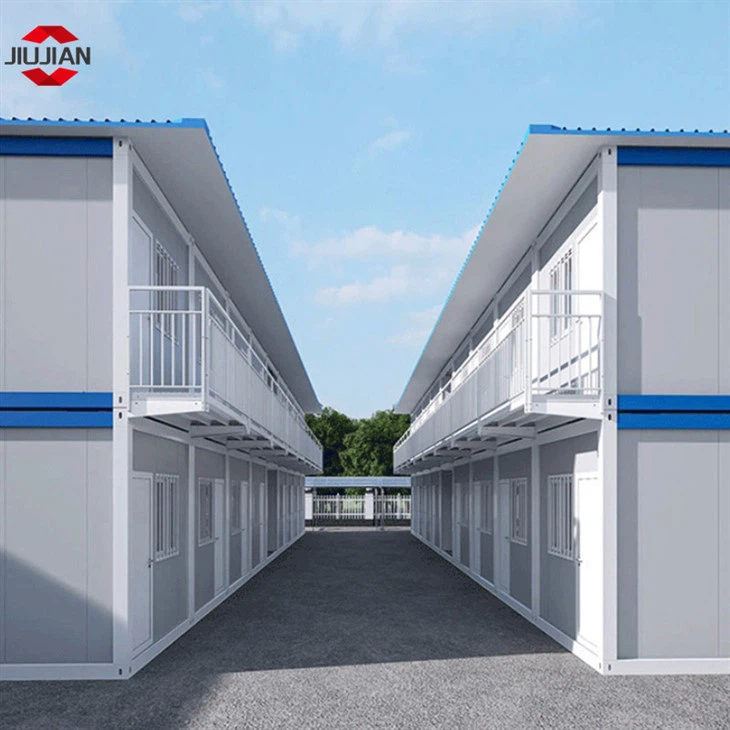
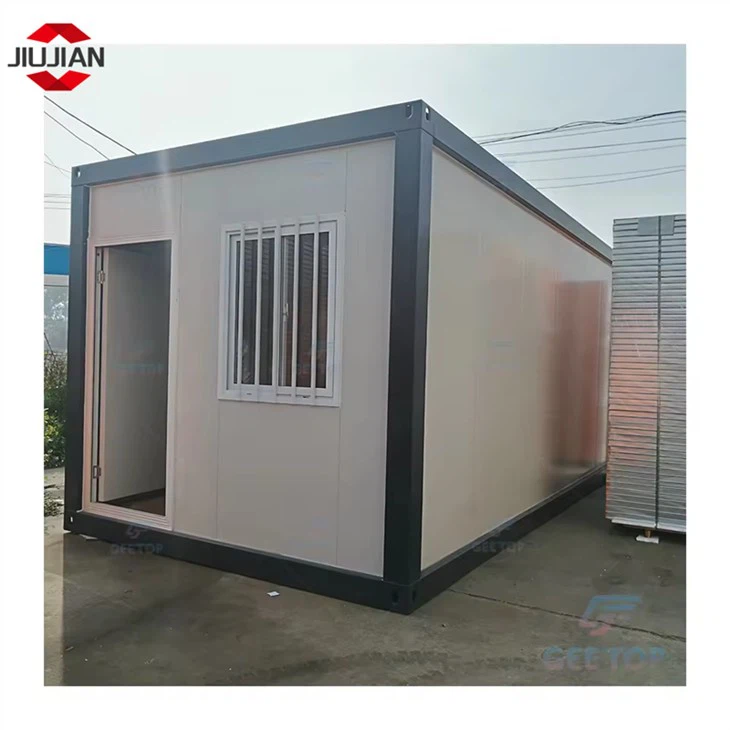
For example, a 20ft Prefab Container House can be built and delivered at a much lower price compared to a similarly sized traditional house. The labor costs are also lower because the majority of the construction work is done in a factory setting, where workers can operate more efficiently. This means that from the very start, buyers can save a substantial amount of money when choosing a prefab container house.
Construction Time and Associated Costs
Time is money, and this adage holds true in the housing industry. Traditional construction projects can take months or even years to complete, depending on the size and complexity of the building. During this time, there are numerous costs associated with the project, such as on - site labor, equipment rental, and financing charges.
In contrast, prefab container houses have a much shorter construction time. Since they are pre - fabricated in a factory, the building components can be quickly assembled on - site. This rapid construction not only saves on labor costs but also reduces the time during which the buyer has to pay for financing. For instance, if a buyer has taken out a loan to build a house, a shorter construction period means less interest paid over the life of the loan. The reduced construction time also allows the buyer to move into their new home sooner, potentially saving on temporary housing costs.
Energy Efficiency and Long - Term Savings
Energy efficiency is a crucial factor when considering the long - term cost - effectiveness of a house. Prefab container houses can be designed to be highly energy - efficient. They can be insulated with high - quality materials to reduce heat transfer, which means less energy is required for heating and cooling.
Many prefab container houses can also be equipped with energy - efficient appliances and lighting systems. For example, solar panels can be easily installed on the roof of a container house to generate electricity, reducing or even eliminating the need for grid - supplied power. Over time, these energy - saving features can result in significant cost savings on utility bills. A well - insulated and energy - efficient Prefab Container House with Bathroom can reduce annual energy costs by a substantial amount, making it a more cost - effective option in the long run.
Maintenance and Durability
The durability of a prefab container house is another aspect that contributes to its long - term cost - effectiveness. Shipping containers are built to withstand harsh marine environments, which means they are inherently strong and durable. They are made of steel, which is resistant to pests, rot, and fire. This durability reduces the need for frequent repairs and replacements.
Compared to traditional wooden houses, which may require regular maintenance such as painting, termite treatment, and roof repairs, prefab container houses have lower maintenance requirements. The steel structure of a container house can last for decades with minimal upkeep. In the long term, the savings on maintenance costs can be quite significant. For example, over a 30 - year period, the maintenance costs of a prefab container house may be a fraction of what would be spent on maintaining a traditional house.
Flexibility and Adaptability
Prefab container houses offer a high degree of flexibility and adaptability. They can be easily modified or expanded as the needs of the owner change. For example, additional containers can be added to an existing container house to create more living space. This is much easier and less expensive than adding an extension to a traditional house, which often requires extensive structural modifications.
The modular nature of prefab container houses also means that they can be relocated if necessary. If an owner needs to move to a different location, the container house can be disassembled and transported to the new site, and then reassembled. This flexibility can be a valuable asset, especially for those who may need to change their living situation in the future. The ability to modify and relocate the house without incurring exorbitant costs adds to the long - term cost - effectiveness of prefab container houses.
Resale Value
When considering the long - term cost - effectiveness of a house, the resale value is an important factor. While the resale market for prefab container houses is still developing, there is a growing interest in these unique structures. As more people become aware of the benefits of prefab container houses, their resale value is likely to increase.
The lower initial cost and long - term savings associated with prefab container houses can make them an attractive option for potential buyers. Additionally, the energy - efficient features and durability of these houses can enhance their desirability in the resale market. For example, a well - maintained Prefab Folding Container House can retain its value well over time, providing the owner with a good return on investment when it comes time to sell.
Conclusion
In conclusion, prefab container houses are highly cost - effective in the long run. From the initial cost savings during construction to the long - term savings on energy, maintenance, and financing, these houses offer numerous financial advantages. Their flexibility, durability, and potential for a good resale value further contribute to their cost - effectiveness.
If you're considering purchasing a prefab container house, I encourage you to explore the options available. Our company offers a wide range of prefab container houses, including Prefab Folding Container House, Prefab Container House with Bathroom, and 20ft Prefab Container House. We are committed to providing high - quality, cost - effective housing solutions. Contact us today to start a discussion about your housing needs and how a prefab container house can be the right choice for you.
References
- "Container Homes: Building Your Affordable Dream Home" by Robert Bouchaud
- "The Future of Prefabricated Housing" - Journal of Sustainable Construction
- "Energy Efficiency in Modular Buildings" - International Journal of Building Science