

Hey there! As a supplier of modern container houses, I often get asked a burning question: Are modern container houses earthquake-resistant? Well, let's dive right into this topic and break it down.
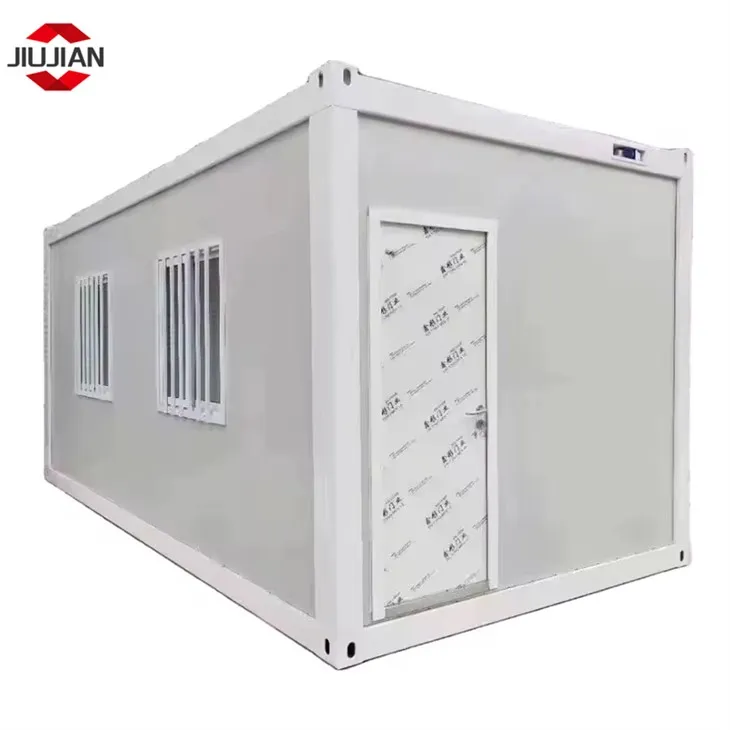
First off, let me give you a bit of background on modern container houses. These are not your typical rusty old shipping containers sitting in a port. They've come a long way! Modern container houses are designed with a whole bunch of new-age features and technologies to make them not only stylish but also super functional. You can check out our Modern Container House with Furniture to get a better idea of what I'm talking about.
So, back to the big question: earthquake resistance. To understand this, we need to look at how container houses are built. Most modern container houses are made from steel shipping containers. Steel is a pretty tough material. It's got high strength and ductility, which means it can bend and stretch a bit without breaking. This is a huge plus when it comes to earthquakes.
During an earthquake, the ground shakes violently. Buildings need to be able to withstand these forces without collapsing. Traditional brick or concrete buildings can be quite rigid. When the ground moves, these rigid structures can crack and crumble because they can't adapt to the movement. On the other hand, the steel in container houses can flex. This flexibility allows the house to absorb and dissipate the energy from the earthquake waves.
But it's not just about the steel. The design and construction of the container house also play a crucial role. For example, proper bracing is essential. Bracing is like the skeleton of the house that helps keep it stable. In modern container houses, we use different types of bracing systems, such as diagonal braces and cross braces. These braces connect the different parts of the container together, making the whole structure more rigid and able to resist the lateral forces caused by earthquakes.

Another important factor is the foundation. A good foundation is like the roots of a tree, keeping the house firmly in place. For container houses, there are several types of foundations that can be used, depending on the location and soil conditions. One common type is the concrete slab foundation. This is a solid, flat surface that the container sits on. It distributes the weight of the house evenly and helps prevent it from shifting during an earthquake.
There are also pier foundations. These are columns that are driven deep into the ground. They're great for areas with soft or uneven soil because they can reach down to more stable layers. By providing a stable base, the right foundation can significantly improve the earthquake resistance of a container house.
Now, let's talk about some real-world examples. In areas prone to earthquakes, like Japan and California, container houses are being used more and more. In Japan, where seismic activity is a constant threat, many architects and homeowners are turning to container houses because of their potential earthquake resistance. These houses are often modified and strengthened to meet the strict seismic codes in the country.
Some container houses are even designed to be self - leveling. When an earthquake hits, sensors in the house detect the movement, and hydraulic systems adjust the house's position to keep it level. This is a pretty high - tech solution that shows just how far container house technology has come in terms of earthquake resistance.
But it's not all sunshine and rainbows. While container houses have many advantages when it comes to earthquakes, they're not invincible. If the earthquake is extremely powerful, even a well - built container house can be damaged. The intensity of the earthquake, the duration of the shaking, and the local soil conditions all play a part.
For example, if the soil under the container house is very loose or saturated with water, it can amplify the shaking. This is known as soil liquefaction. In a situation like this, even a house with a good foundation can end up sinking or tilting.
Also, the way the container house is connected to utilities like water, gas, and electricity can be a weak point. During an earthquake, these connections can break, causing leaks and even fires. That's why it's important to use flexible connectors and to have proper safety measures in place.
If you're thinking about getting a container house for an area with earthquake risk, it's crucial to work with a professional. An experienced architect or builder can help you design a container house that meets the local seismic codes. They'll take into account the specific conditions of your site, such as the soil type, the proximity to fault lines, and the expected earthquake intensity.
By doing this, you can ensure that your container house is as earthquake - resistant as possible. You can also look for certifications that indicate the house has been tested for seismic performance. There are standards and guidelines out there that container house manufacturers can follow to prove that their products are safe in earthquake - prone areas.
In conclusion, modern container houses have a lot going for them when it comes to earthquake resistance. The steel construction, proper bracing, and suitable foundation can make them a viable option in areas with seismic activity. However, they're not a one - size - fits - all solution. You need to consider the specific circumstances and take the necessary precautions.
If you're interested in learning more about our modern container houses and how they can be customized to meet your earthquake resistance needs, don't hesitate to reach out. We're here to answer all your questions and help you find the perfect container house for your situation. Whether you're building a home, an office, or a storage unit, we've got you covered. Let's start a conversation and see how we can make your container house dream a reality.
References
- Building Codes for Seismic Areas: Various national and international building code organizations.
- Research on Steel Structures and Earthquake Resistance: Academic journals in the field of structural engineering.