

As a supplier of living container houses, I often encounter various questions from potential customers. One of the most frequently asked questions is whether living container houses are resistant to corrosion. In this blog post, I will delve into this topic, providing a comprehensive analysis based on scientific knowledge and practical experience.
Understanding the Basics of Corrosion
Corrosion is a natural process that involves the deterioration of materials, especially metals, due to chemical reactions with their environment. In the context of living container houses, which are typically made of steel, corrosion can pose a significant threat to the structural integrity and longevity of the house. The main factors contributing to corrosion include moisture, oxygen, and the presence of certain chemicals in the environment.
When steel comes into contact with water and oxygen, a chemical reaction occurs, leading to the formation of iron oxide, commonly known as rust. This rust layer is porous and does not provide effective protection against further corrosion. As the rusting process continues, it can weaken the steel structure, potentially leading to safety issues and reducing the lifespan of the living container house.
Factors Affecting Corrosion Resistance in Living Container Houses
Material Quality
The quality of the steel used in the construction of living container houses plays a crucial role in determining its corrosion resistance. High - quality steel often contains alloying elements such as chromium, nickel, and copper, which can form a protective oxide layer on the surface of the steel. This layer acts as a barrier, preventing the penetration of water and oxygen and thus reducing the rate of corrosion.
For example, stainless steel, which contains a significant amount of chromium, is highly resistant to corrosion. However, using stainless steel for the entire living container house can be expensive. Therefore, most container houses are made of carbon steel, which is more affordable but requires additional protective measures to enhance its corrosion resistance.
Coating and Painting
Applying a protective coating or paint to the surface of the container house is one of the most common methods to prevent corrosion. A good coating can act as a physical barrier between the steel and the corrosive environment. There are different types of coatings available, including epoxy coatings, polyurethane coatings, and zinc - rich primers.
Epoxy coatings are known for their excellent adhesion and chemical resistance. They can form a tough, durable film on the steel surface, protecting it from moisture and chemicals. Polyurethane coatings, on the other hand, offer good weather resistance and can maintain their appearance for a long time. Zinc - rich primers work by providing sacrificial protection. Zinc is more reactive than steel, so when corrosion occurs, the zinc corrodes first, protecting the underlying steel.
Environmental Conditions
The location where the living container house is placed has a significant impact on its corrosion resistance. Areas with high humidity, such as coastal regions, are more prone to corrosion because the increased moisture in the air accelerates the rusting process. In addition, areas with high levels of air pollution, industrial emissions, or salt spray can also increase the corrosion rate.

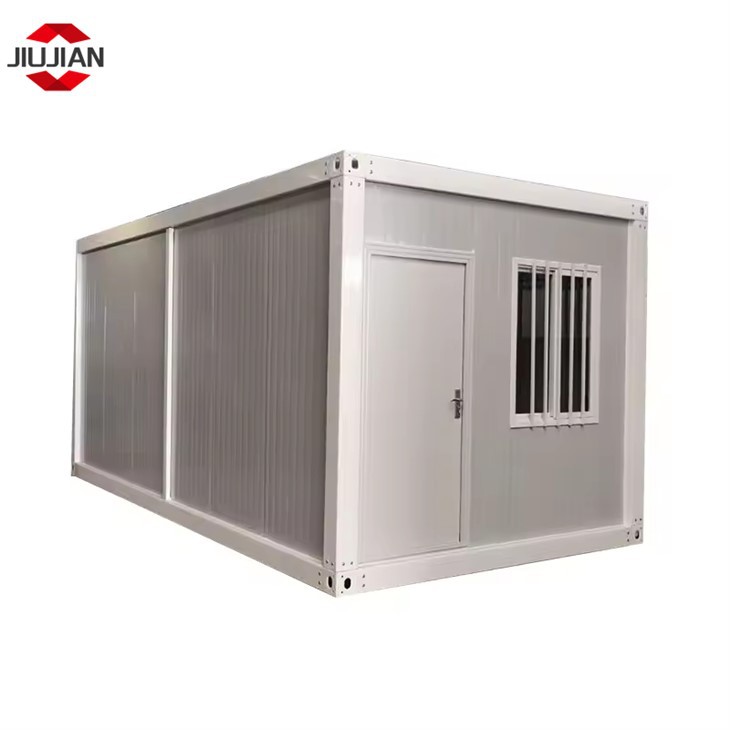
For instance, in a coastal area, the salt in the air can react with the steel, making it more vulnerable to corrosion. In an industrial area, pollutants such as sulfur dioxide can form acidic compounds when combined with water, which can corrode the steel surface more rapidly.
Case Studies and Practical Experience
Over the years, we have supplied living container houses to various locations with different environmental conditions. In some coastal projects, we noticed that container houses without proper corrosion protection started to show signs of rust within a few months. However, in the same area, container houses that were coated with high - quality anti - corrosion paint and had regular maintenance remained in good condition for several years.
In an inland project with a relatively dry climate, the corrosion rate was much lower. Even container houses with basic paint protection showed minimal signs of corrosion after several years of use. These case studies clearly demonstrate the importance of considering environmental conditions and implementing appropriate corrosion - prevention measures.
Advantages of Corrosion - Resistant Living Container Houses
Longevity
A corrosion - resistant living container house can have a much longer lifespan. This means that customers can enjoy their living space for a longer time without having to worry about frequent repairs or replacements due to corrosion damage. For example, a well - protected container house can last for 20 - 30 years or even more, providing a stable and long - term housing solution.
Safety
Corrosion can weaken the structural integrity of the container house, posing a safety risk to the occupants. By ensuring corrosion resistance, we can guarantee that the house maintains its strength and stability over time. This is especially important in areas prone to natural disasters such as earthquakes or strong winds, where a structurally sound house is essential for the safety of the residents.
Cost - effectiveness
Although the initial cost of a corrosion - resistant living container house may be slightly higher due to the use of better materials and coatings, it can be more cost - effective in the long run. Customers can save on maintenance and repair costs, as well as avoid the expense of premature replacement.
Our Company's Approach to Corrosion Resistance
As a supplier of Living Container House, we take corrosion resistance very seriously. We use high - quality steel in our construction and apply multiple layers of protective coatings. Our coating process includes a zinc - rich primer followed by an epoxy intermediate coat and a polyurethane topcoat. This multi - layer system provides excellent protection against corrosion.
In addition, we conduct thorough inspections during the manufacturing process to ensure that the coatings are applied evenly and without any defects. We also provide our customers with detailed maintenance instructions to help them keep their container houses in good condition.
Conclusion
In conclusion, living container houses can be highly resistant to corrosion if the right materials, coatings, and construction methods are used. However, it is important to consider the environmental conditions where the house will be located and take appropriate preventive measures.
If you are interested in our Economic Living Container House or Living Container Houses, we are more than happy to provide you with detailed information and answer any questions you may have. We encourage you to contact us for procurement and further discussion. Our team of experts is ready to assist you in finding the perfect living container house that meets your needs and requirements.
References
- Fontana, M. G. (1986). Corrosion Engineering. McGraw - Hill.
- Uhlig, H. H., & Revie, R. W. (1985). Corrosion and Corrosion Control. Wiley - Interscience.
- NACE International. (2002). Corrosion Basics: An Introduction. NACE International.